👉 These are safe, gentle movements that can be done at home
1. Cat–Cow Stretch (Spine Relief)
- Start on hands and knees
- Gently arch your back (look slightly up)
- Then round your back (look down)
👉 Repeat slowly
Helps with:
- Back tension
- Spine flexibility
2. Hip Circles (Pelvic Comfort)
- Sit on a chair or birth ball
- Slowly circle your hips
👉 Keep movements gentle
Helps with:
- Pelvic comfort
- Loosening tight muscles
3. Child’s Pose (Modified)
- Kneel with knees wide apart
- Lean forward gently
- Rest arms forward
👉 Use pillows for support
Helps with:
- Relaxation
- Lower back relief
4. Seated Side Stretch
- Sit comfortably
- Raise one arm and lean gently to the side
- Repeat on the other side
👉 Keep it gentle
Helps with:
- Stretching the sides of your body
- Improving breathing space
5. Ankle Rolls & Foot Movement
- Sit comfortably
- Rotate your ankles slowly
👉 Helps circulation
Helps with:
- Reducing swelling
- Improving blood flow
💛 Quick 5–10 Minute Routine
👉 If you only have a few minutes:
- Breathing exercise
- Cat–cow stretch
- Seated side stretch
- Child’s pose
- Relax and breathe
👉 That’s enough
🧠 Yoga for Emotional Support
Yoga can help:
- Manage anxiety
- Create calm moments
- Reduce mental overwhelm
👉 Even sitting and breathing quietly is a form of yoga
💛 Realistic Reminder
Some days:
- You may feel too tired
- You may not want to move
- You may skip it entirely
👉 That’s okay.
Rest is just as important as movement
❤️ Yoga is Not About Perfection
You do not need to:
- Stretch deeply
- Follow routines perfectly
- Do it every day
👉 It’s about:
- Listening to your body
- Moving gently
- Taking a moment for yourself
🗣 Share Your Experience
Help other parents feel comfortable trying yoga
You might want to share:
- What helped you stay active during pregnancy
- Simple yoga movements you found helpful
- Challenges you faced
- Tips for relaxing and slowing down
Calm & Simple Breathing (2–3 minutes)
- Sit comfortably or lie on your side
- Place one hand on your bump
- Breathe in slowly through your nose
- Breathe out gently through your mouth
👉 Focus on slow, steady breathing
This can help:
- Relax your body
- Reduce anxiety
- Support sleep and calmness
Gentle movement to support your body, mind, and wellbeing
Pregnancy brings many changes to your body — physically, emotionally, and mentally.
Yoga can be a gentle and supportive way to:
- Reduce stress and anxiety
- Improve flexibility and comfort
- Support breathing and relaxation
- Build a stronger connection with your body and baby
At Basch Helps, we understand that: 👉 You may feel tired, uncomfortable, or unsure where to start
This guide is here to keep things simple, safe, and realistic
💛 A Gentle Starting Point
You don’t need:
- Experience in yoga
- Special equipment
- Long sessions
👉 Even 5–10 minutes of gentle movement and breathing can help
🌿 Benefits of Pregnancy Yoga
Yoga during pregnancy can:
- Help reduce back and pelvic discomfort
- Improve posture
- Support better breathing
- Reduce stress and tension
- Help prepare your body for labour
👉 It’s as much about relaxation as movement
🩺 Safety First (Important Guidance)
Before starting:
- Speak to your midwife or GP if unsure
- Avoid anything that causes pain or discomfort
- Move gently and slowly
👉 Always prioritise comfort over stretching further
⚠️ Avoid:
- Lying flat on your back (after early pregnancy)
- Deep twists
- Strong abdominal exercises
- Overstretching
👉 Your body is more flexible — so gentle movement is key
Step‑by‑Step
-
Sit or lie down comfortably
-
Imagine stopping:
- Passing urine AND
- Passing wind
-
Gently lift and squeeze those muscles
-
Hold, then relax
👉 You should feel a lift inside, not tightening your stomach, thighs, or bottom
⏱ Beginner Routine
Start with:
- Hold for 3–5 seconds
- Relax for 5 seconds
Repeat:
- 8–10 times
Then add quick squeezes:
- Tighten → release quickly
- Repeat 5–10 times
👉 Try to do this 2–3 times a day
⚠️ Important Tips
- Don’t hold your breath
- Don’t tighten your stomach or legs
- Don’t stop mid‑urination as a habit
👉 Focus on gentle, controlled movement
🤱 After Birth (Important)
You can usually start pelvic floor exercises: 👉 Soon after birth (if comfortable)
But:
- Go gently
- Build gradually
- Stop if there is pain
👉 Especially important after vaginal birth or C‑section
💛 What Improvement Looks Like
You may notice:
- Better bladder control
- Increased strength
- More confidence in movement
👉 Progress takes time — consistency matters more than intensity
Supporting recovery, strength, and confidence after birth
Your pelvic floor muscles support:
- Bladder control
- Bowel control
- Core stability
Pregnancy and childbirth can weaken these muscles.
👉 Pelvic floor exercises are one of the most important things you can do after birth
💛 Why Pelvic Floor Exercises Matter
They can help:
- Reduce bladder leaks
- Support healing after birth
- Improve core strength
- Prevent longer‑term issues
🧠 What Is the Pelvic Floor?
The pelvic floor is a group of muscles that:
- Sit at the base of your pelvis
- Support your bladder, bowel, and uterus
👉 Think of it as a support hammock inside your body
💛 Realistic Reminder
You might:
- Forget to do exercises
- Feel too tired
- Struggle to build a routine
👉 That’s normal.
Try linking exercises to something you already do
(e.g. feeding, brushing teeth, etc.)
❤️ Simple Takeaway
👉 A few minutes a day can make a big difference over time
Gentle movement for busy, tired parents
This short routine is designed for:
- Low energy days
- Early recovery
- Limited time
- Home environments
👉 You can do this:
- While baby is sleeping
- Next to your baby
- Even in small spaces
🌱 Before You Start
- Move slowly and gently
- Stop if anything feels painful
- Focus on breathing
👉 This is about support, not intensity
🧘♀️ The 5‑Minute Routine
1. Deep Breathing (1 minute)
- Sit or lie down
- Inhale slowly through your nose
- Exhale gently through your mouth
👉 Helps relax your body and engage your core safely
2. Shoulder Rolls (1 minute)
- Sit or stand
- Roll shoulders slowly backwards
- Then forwards
👉 Releases tension from feeding, holding, and stress
3. Gentle Neck Stretch (30 seconds each side)
- Tilt your head gently to one side
- Hold, then switch
👉 Helps relieve stiffness from feeding and carrying your baby
4. Seated or Standing March (1 minute)
- Lift one knee at a time slowly
- Keep movements controlled
👉 Light movement to improve circulation and energy
5. Pelvic Tilt (1 minute)
- Sit or lie down
- Gently tilt pelvis forward and back
👉 Supports core strength and recovery after birth
💛 If That’s All You Do Today
👉 That is enough.
Even 5 minutes of movement:
- Supports your recovery
- Improves mood
- Helps your body feel less stiff
Help other parents feel confident in moving again
You might want to share:
- What helped you stay active
- How you restarted movement after birth
- Challenges you faced
- Simple tips that worked
Why Sharing Matters
Your experience can:
- Help other parents feel less pressured
- Provide realistic ideas
- Encourage small, positive steps
- Build confidence in recovery
##
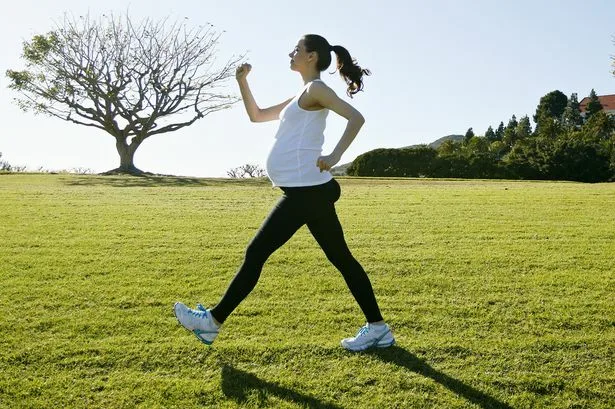
1. Gentle Walking
- Short walks (even 10–15 minutes)
- Fresh air can improve mood and energy
👉 One of the easiest and most effective activities
2. Light Stretching
- Helps reduce stiffness
- Supports recovery after birth
👉 Can be done at home, even for a few minutes
3. Daily Movement
- Moving around the home
- Light cleaning or activity
👉 Everyday movement counts as exercise
4. Post‑Natal Exercises (When Ready)
- Pelvic floor exercises
- Core strengthening (gentle and gradual)
👉 Important for recovery after labour
✅ Stay Active Where You Can
- Gentle activity is encouraged during pregnancy and after birth
- Even light movement can be beneficial
👉 You do not need long workouts to benefit
✅ Start Slowly After Birth
- Begin with gentle movement
- Gradually increase activity over time
👉 Listen to your body and don’t rush recovery
✅ Stop if Something Doesn’t Feel Right
- Avoid pushing through pain
- Rest when needed
👉 Your body is still healing
Exercise during pregnancy and after birth can feel challenging — especially when you are tired, recovering, or managing daily pressures.
At Basch Helps, we want to be clear:
👉 Exercise is not about pressure, appearance, or “bouncing back” — it’s about supporting your body and your wellbeing
Even small amounts of movement can:
- Improve mood
- Increase energy
- Support physical recovery
- Reduce stress and anxiety
💛 A Realistic Starting Point
During pregnancy and early parenthood:
- You may feel tired most of the time
- You may not have time for structured exercise
- Your body may still be recovering
👉 That’s completely normal.
Exercise at this stage is about small, gentle movement — not intensity
🤱 Exercise After Birth (Post‑Natal Recovery)
Your body needs time to recover.
👉 In the first weeks:
- Focus on rest + gentle movement
- Avoid pressure to exercise too soon
When ready:
- Build slowly
- Prioritise recovery over intensity
- Focus on how you feel, not how you look
🧠 Benefits of Exercise for Parents
Even light activity can:
- Improve mood and reduce stress
- Support sleep (where possible)
- Increase energy levels
- Help with recovery
👉 Exercise supports both physical and mental wellbeing
💛 Removing Pressure
You may see messages about:
- “Bouncing back”
- Losing weight quickly
- Intensive workouts
👉 This is not realistic or necessary
Your body has just done something incredible — it deserves patience and care
⏱ Short & Simple Activity Ideas
When time and energy are limited:
- Walk with your baby (pram walks)
- Gentle stretching while baby naps
- 5–10 minutes of movement at home
- Light exercises alongside daily activity
👉 Small moments still count
💷 Free & Accessible Options
Exercise does not need to cost anything.
You can:
- Walk in your local area or park
- Use free online videos
- Join local community groups (when ready)
👉 Movement can be simple and accessible
⚠️ When to Be Careful
Take extra care if you:
- Had a complicated birth
- Had a C‑section
- Feel pain or discomfort
- Feel extremely tired or unwell
👉 Speak to your:
- GP
- Midwife
- Health visitor
before starting anything more structured
💛 If You’re Struggling
If exercise feels:
- Too difficult
- Overwhelming
- Impossible right now
👉 That’s okay.
Rest, recovery, and looking after your baby are priorities
You can return to movement when you feel ready.
❤️ How Basch Helps Can Support You
We understand that fitness is not just about exercise.
We can:
- Provide support through AngelBox essentials
- Offer emotional support and befriending
- Help you access local community services
- Support you without judgement
👉 Your wellbeing matters at every stage
🌱 What Progress Really Looks Like
Progress may look like:
- Taking a short walk
- Moving a little more than yesterday
- Doing gentle stretching
- Feeling slightly more energised
👉 Every small step counts