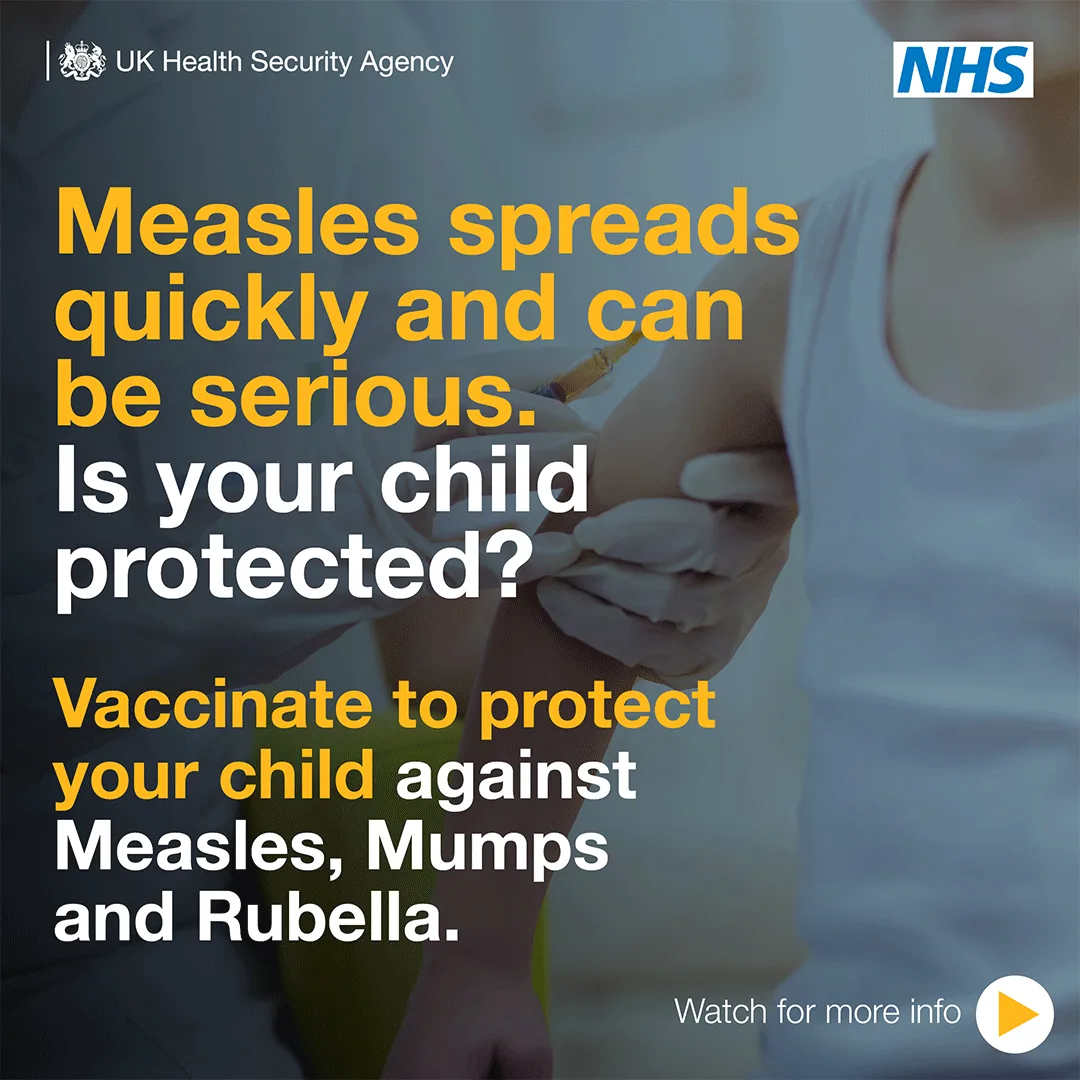
Your voice matters — and it can help others feel less alone
Every experience of illness, treatment, and healthcare is personal.
You might have:
- Questions you didn’t feel comfortable asking at the time
- Moments that felt confusing or overwhelming
- Positive experiences that reassured you
- Challenges navigating GP services or hospital care
Whatever your experience, it is valid — and it can help others who may be going through something similar.
What You Can Share
You are welcome to share as much or as little as feels right for you.
This might include:
- Your experience with symptoms or diagnosis
- Your child’s vaccination journey
- Conversations with your GP or health visitor
- Hospital or treatment experiences
- What helped you feel informed or reassured
- Questions or concerns you had along the way
There is no “perfect” story — your experience is enough.
Why Sharing Can Help
When families hear from others who have been through similar situations, it can:
- Provide reassurance and reduce anxiety
- Help people feel less isolated in their experience
- Offer real insight into what to expect
- Build confidence in asking questions or seeking support
Sometimes, simply knowing that someone else has faced the same situation can make a difficult moment feel more manageable.
- Improve understanding of health journeys
- Highlight what families need and value
- Support others in feeling more prepared and confident
Your voice can make a real difference.
A Safe and Respectful Space
We understand that health experiences can be sensitive.
Any experiences shared:
- Will be treated with care and respect
- Can be anonymous if you prefer
- Will only be used in a way that supports and informs others
Our aim is to create a space that feels:
- Safe
- Supportive
- Free from judgement
You Are in Control
Sharing is always your choice.
- You can choose what you share
- You can choose how much detail to include
- You can choose whether your experience is public or kept private
There is no pressure — this is simply an opportunity, if you feel comfortable.
Understanding the signs so you know when to seek advice
Measles, mumps, and rubella can sometimes begin with symptoms that feel similar to common illnesses. Knowing what to look out for can help you feel more confident about when to seek support.
Measles — What to Look For
Measles usually starts with symptoms similar to a cold or flu, followed by a rash.
Common early signs:
- High temperature (fever)
- Runny or blocked nose
- Cough
- Red, watery eyes
A few days later:
- A distinct rash appears, usually starting on the face and spreading across the body
- Small white spots may appear inside the mouth
👉 Measles can make children feel quite unwell and symptoms can worsen quickly.
Mumps — What to Look For
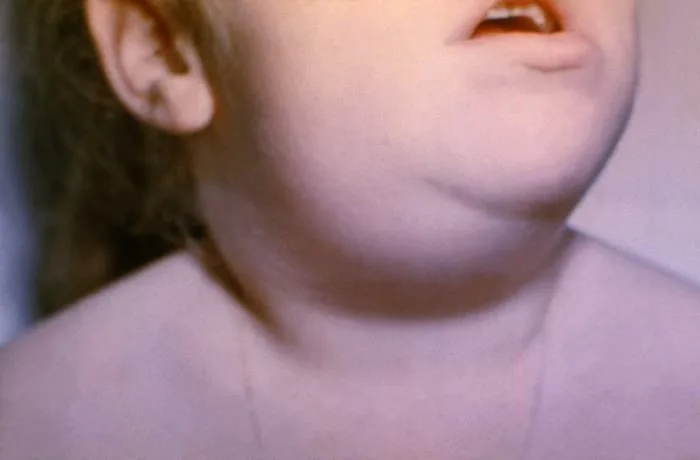
Mumps mainly affects the glands around the face.
Common signs:
- Swelling on one or both sides of the face (around the jaw or cheeks)
- Pain or tenderness when chewing or swallowing
- Fever
- Headache or tiredness
👉 The swelling can develop over a day or two and may be uncomfortable.
Rubella — What to Look For
Rubella is usually milder, but still important to recognise.
Common signs:
- A light rash that starts on the face and spreads
- Mild fever
- Swollen glands (especially around the neck)
- Cold‑like symptoms
👉 Symptoms may be subtle, but rubella can be serious during pregnancy.
When Should You Seek Advice?
You should contact a healthcare professional if:
- Your child has a rash and a fever
- You notice swelling of the face or glands
- Your child seems unusually unwell, drowsy, or distressed
- You’re unsure whether symptoms could be measles, mumps, or rubella
👉 It’s always okay to be cautious — a GP or NHS service can advise you.
Important: What to Do First
If you think your child may have symptoms:
- Call your GP surgery first before attending in person
- Explain the symptoms clearly
- Follow their advice on next steps
This helps protect:
- Other patients
- Children who may be vulnerable
A Gentle Reminder
Many symptoms can overlap with common childhood illnesses.
You are not expected to diagnose anything yourself — this guide is simply here to help you spot potential signs and feel confident about when to seek support.
You Know Your Child Best
If something doesn’t feel right, trust your instincts.
Even if symptoms seem mild, reassurance from a healthcare professional can help you feel more confident and supported.
A simple step‑by‑step guide to help you know what to do and what to expect
1. Check Your Child’s Vaccination Schedule
Children in the UK are usually offered the MMR vaccine:
- At around 12 months old
- Again at around 3 years and 4 months
You may receive:
- A letter, text, or reminder from your GP
- Information from your health visitor
👉 If you’re unsure, your GP surgery can quickly check your child’s records.
2. Book an Appointment with Your GP
To arrange vaccination:
- Contact your GP surgery by phone, online, or in person
- Ask for a child vaccination appointment
Many practices offer:
- Dedicated vaccination clinics
- Flexible appointment times
👉 If you’ve missed an appointment, it’s never too late — you can simply rebook.
3. Preparing for the Appointment
Before attending:
- Bring your child’s red book (if you have one)
- Bring any letters you’ve received about vaccinations
- Make a note of any questions you’d like to ask
👉 It’s completely okay to ask questions — your GP or nurse is there to support you.
What Happens at the GP Appointment
Knowing what to expect can help you and your child feel more comfortable.
Before the Vaccine
A nurse or healthcare professional will:
- Check your child’s details
- Confirm the vaccine
- Ask if your child is well on the day
They may also:
- Talk you through the vaccine
- Answer any questions you have
👉 You’ll only proceed when you feel comfortable.
During the Vaccine
- The vaccine is given as a quick injection, usually in the upper arm or thigh
- It only takes a few seconds
Your child may:
- Cry or feel uncomfortable briefly
- Settle quickly afterwards
👉 Many parents find bringing a comfort item (toy, blanket) helps.
After the Vaccine
You’ll be able to:
- Stay with your child straight away
- Leave once you feel ready
You may be told about:
-
Common mild side effects, such as:
- Slight fever
- Rash
- Tiredness
These usually pass within a few days.
👉 If you have any concerns later, you can contact your GP.
After the Appointment — What to Expect
Your child may:
- Be a little unsettled or tired
- Develop mild side effects (which are common and temporary)
You can usually:
- Continue normal activities
- Offer comfort and reassurance
👉 If anything feels unusual or worrying, trust your instincts and seek advice.
If You’re Unsure or Have Questions
You don’t need to have everything decided before speaking to someone.
You can:
- Speak to your GP or practice nurse
- Talk to your health visitor
- Ask questions at your appointment
They are there to:
- Listen
- Explain clearly
- Support you in making informed decisions
A Simple Reminder
Getting your child vaccinated is a straightforward process — and support is always available to help you through it.
You don’t have to figure it out alone.
Helpful Tip
👉 If your child has missed a vaccine, they can still be vaccinated — just contact your GP to arrange a catch‑up appointment.
There’s a lot of information — and sometimes misinformation — about vaccinations. It’s completely normal to have questions.
This section aims to gently clarify some common concerns, so you can feel more informed and confident in your conversations.
Myth: The MMR vaccine isn’t necessary anymore
Fact:
Measles, mumps, and rubella still exist and can spread quickly — especially when vaccination levels drop. Outbreaks can and do happen, particularly in communities where fewer people are protected.
Vaccination helps protect both your child and those around them.
Myth: These are just mild childhood illnesses
Fact:
While some children recover well, these illnesses can sometimes lead to serious complications.
- Measles can cause breathing difficulties and infections
- Mumps can lead to swelling and complications
- Rubella can be very harmful during pregnancy
Protection through vaccination helps reduce these risks.
Myth: The MMR vaccine isn’t safe
Fact:
The MMR vaccine has been used for many years and is part of the UK’s routine vaccination programme.
It has been carefully tested, widely used, and continuously monitored. Like most vaccines, some mild side effects can occur (such as a slight fever), but serious side effects are very rare.
If you have concerns, speaking with a GP or health visitor can help you get accurate, personalised advice.
Myth: The MMR vaccine is linked to autism
Fact:
Extensive research has shown no link between the MMR vaccine and autism.
This concern came from a study that has since been discredited and withdrawn. Ongoing research continues to confirm that the MMR vaccine is safe.
Myth: The MMR vaccine is linked to autism
Fact:
Extensive research has shown no link between the MMR vaccine and autism.
This concern came from a study that has since been discredited and withdrawn. Ongoing research continues to confirm that the MMR vaccine is safe.
Myth: Natural immunity is better than vaccination
Fact:
Getting immunity through illness means taking the risk of the illness itself — including possible complications.
Vaccination provides protection without exposing your child to those risks.
A Note for Parents
It’s okay to feel unsure, to ask questions, and to take time to understand what feels right for your family.
What matters most is that you feel informed, supported, and able to access trusted advice when you need it.
If you have questions, a GP, health visitor, or NHS service can provide clear and reliable guidance.
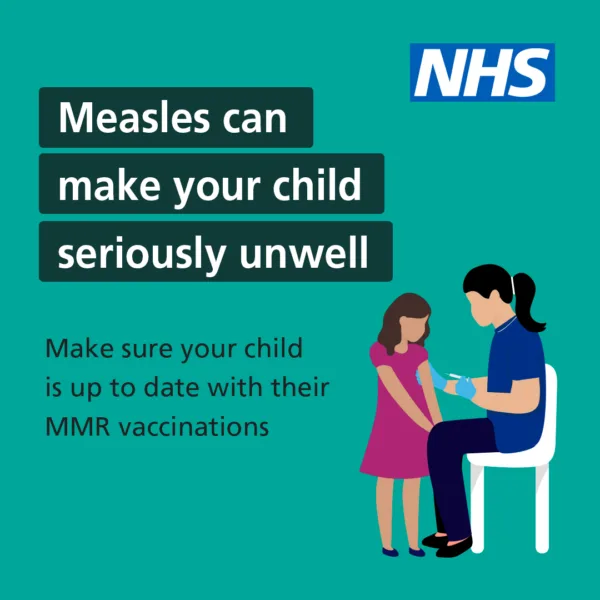
For many parents, decisions about vaccinations can feel overwhelming — especially when you're trying to understand what’s best for your child while hearing lots of different information.
At Basch Helps, we want to make this easier by providing clear, trusted information, alongside space for real experiences and questions.
Why the MMR Vaccine Matters
Measles, mumps, and rubella are not just mild childhood illnesses — they can lead to serious complications, particularly in babies and young children.
- Measles can cause breathing difficulties, infections, and serious illness
- Mumps can lead to swelling and complications affecting hearing or other organs
- Rubella can be especially dangerous during pregnancy
Vaccination helps protect:
- Your child
- Other children and families
- Vulnerable members of the community
Is the MMR Vaccine Safe?
The MMR vaccine has been used for many years and is part of the UK’s routine childhood vaccination programme.
It has been:
- Carefully tested
- Continuously monitored
- Used safely to protect millions of children
Mild side effects (such as a fever or rash) can happen and usually pass quickly.
If you have concerns or questions, it’s always okay to ask your GP, health visitor, or a trusted healthcare professional.
When Is the MMR Vaccine Given?
In the UK, children are usually offered the MMR vaccine in two doses:
- Around 12 months old
- Again at around 3 years and 4 months
These doses help ensure strong, lasting protection.
If your child has missed a dose, it’s never too late to catch up — a healthcare professional can advise you.
Making Decisions That Feel Right for You
We understand that every parent wants to make the best decision for their child.
It’s okay to:
- Have questions
- Want more information
- Talk things through with someone
Our aim is not to overwhelm you, but to ensure you feel informed, supported, and confident in whatever conversations you need to have next.
When to Seek Advice
You should consider speaking to a healthcare professional if:
- You’re unsure about your child’s vaccination status
- Your child has missed a vaccine
- You have questions about side effects or safety
Your GP surgery, health visitor, or NHS service can provide guidance tailored to your child.
A Simple Reminder
You don’t need to navigate healthcare decisions alone.
We’re here to provide clear information, help you understand your options, and support you in finding the right guidance for your family.