Help others feel confident using GP services
Every family’s experience of using GP services is different.
You might have:
- Attended appointments for your child
- Spoken to a GP about symptoms or concerns
- Had a positive or challenging experience
- Felt unsure about how to access support
Your experience can help others feel more prepared and confident.
Why Sharing Matters
By sharing your experience, you can:
- Help parents understand what to expect
- Reduce anxiety about visiting a GP
- Encourage others to seek support
- Highlight what works well — and what could be improved
What You Might Want to Share
You are welcome to share:
- Your experience registering with a GP
- What your appointment was like
- How easy (or difficult) it was to get support
- What helped you feel reassured
- Any advice for other parents
Help Build Confidence for Other Families
Your voice can help:
- Make GP services feel more accessible
- Support other parents in reaching out
- Improve understanding of healthcare experiences
👉 Share your experience of GP services
Knowing what to expect can make things feel more comfortable.
Before the Appointment
- You may be seen by a GP, nurse, or another healthcare professional
- They will review your concern and any history
During the Appointment
The GP or nurse may:
- Ask questions about symptoms
- Examine you or your child
- Provide advice or reassurance
- Prescribe medication if needed
- Suggest further tests or referrals
👉 You are always encouraged to ask questions.
After the Appointment
You may:
- Be given medication or advice
- Be asked to return for follow‑up
- Be referred to another service
Online and Telephone Appointments
Many GP practices now offer:
- Telephone appointments
- Video consultations
These can be helpful for:
- Quick advice
- Follow‑ups
- Non‑urgent concerns
When to Seek Urgent Help
GP services are not always for emergencies.
If you or your child needs urgent care:
- Call NHS 111 for advice
- Call 999 or go to A&E in an emergency
👉 If you’re unsure, NHS 111 can guide you.
You will usually need to register with a GP to access ongoing care.
Step 1 – Find a GP Surgery Near You
- Search online for “GP near me”
- Use the NHS website
- Ask a health visitor, midwife, or local service
Step 2 – Contact the Surgery
You can:
- Register online (many GP surgeries offer this)
- Visit the surgery in person
- Request a registration form
Step 3 – Provide Basic Information
You may be asked for:
- Your name and contact details
- Address
- ID (if available)
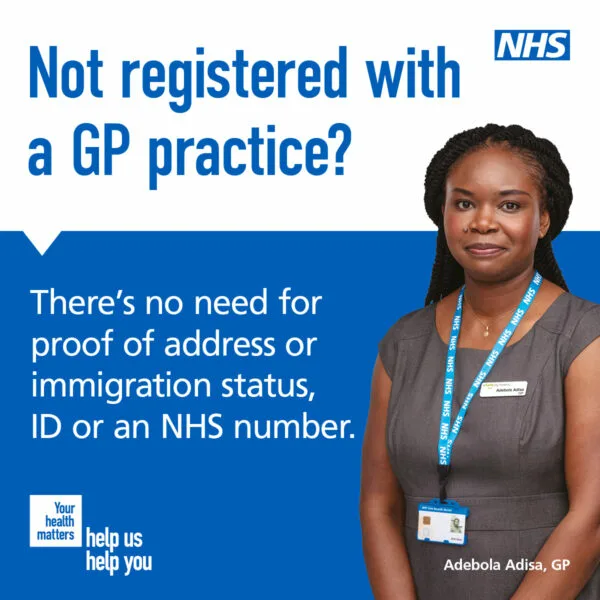
👉 You can still register even if you don’t have proof of address or ID.
Step 4 – Registration Confirmation
Once registered:
- You will be added to the GP’s patient list
- You can book appointments when needed
What to Expect When You Contact a GP
Getting in touch is usually the first step.
You can:
- Call your GP surgery
- Use online booking systems (if available)
- Attend in person
You may be asked:
- About your symptoms
- How urgent your concern is
👉 This helps the practice ensure you receive the right type of care.
Your local GP (General Practitioner) is often the first place to go for medical advice, treatment, and support — both for you and your family.
Whether you’re dealing with a new concern, managing your child’s health, or simply need reassurance, GP services are there to support you through every stage of family life.
At Basch Helps, we understand that navigating healthcare systems can feel confusing at times. This guide is here to help you understand how GP services work, how to access them, and what to expect.
What Can GP Services Help With?
GPs and practice teams can support with a wide range of health needs, including:
General Health Concerns
- Assessing symptoms and providing medical advice
- Diagnosing and treating common illnesses
- Prescribing medication where needed
Children’s Health
- Monitoring growth and development
- Advice on common childhood illnesses
- Vaccinations (including MMR and routine immunisations)
Pregnancy and Postnatal Support
- Advice and referrals during pregnancy
- Postnatal health support
- Signposting to midwives and health visitors
Mental Health and Wellbeing
- Support with stress, anxiety, or low mood
- Referrals to specialist services if needed
Referrals and Further Care
- Referring you to hospital specialists
- Arranging tests or scans
- Connecting you with other services
How Basch Helps Supports Families Alongside GP Services
At Basch Helps, we recognise that GP services are one part of a wider support system.
We work alongside:
- Health services
- Local councils
- Community organisations
To ensure families receive:
- Practical support (e.g. AngelBox)
- Emotional support (befriending)
- Guidance and signposting