Help other families feel confident seeking urgent care
You might want to share:
- Why you decided to go to A&E
- What your experience was like
- Waiting times and treatment
- What helped you feel reassured
Why Sharing Matters
Your experience can:
- Help other parents make informed decisions
- Reduce fear around hospital visits
- Encourage early action
- Support confidence in seeking care
A Safe and Respectful Space
- You can share anonymously
- Your experience will be treated with care and respect
- There is no pressure to share
👉 Share your experience and help another family
Understanding when A&E is the right choice
👶 Scenario 1: Suspected Broken Arm
“My child fell and wouldn’t move their arm.”
👉 Action: Went to A&E
Outcome: X‑ray confirmed fracture and treatment provided
💬 Why it matters: Injuries needing assessment should be seen urgently
🔥 Scenario 2: Burn Injury
“I accidentally burned my hand while cooking, and it became very painful.”
👉 Action: Went to A&E
Outcome: Treated and given care advice
💬 Why it matters: Burns can worsen quickly without treatment
👶 Scenario 3: Severe Vomiting
“My baby couldn’t keep anything down and seemed very weak.”
👉 Action: Went to A&E
Outcome: Assessed and treated for dehydration
💬 Why it matters: Dehydration in babies can become serious quickly
🤱 Scenario 4: Post‑Birth Infection Concern
“I had pain and signs of infection after birth.”
👉 Action: Went to A&E
Outcome: Treated and given follow‑up care
💬 Why it matters: Post‑natal complications need prompt attention
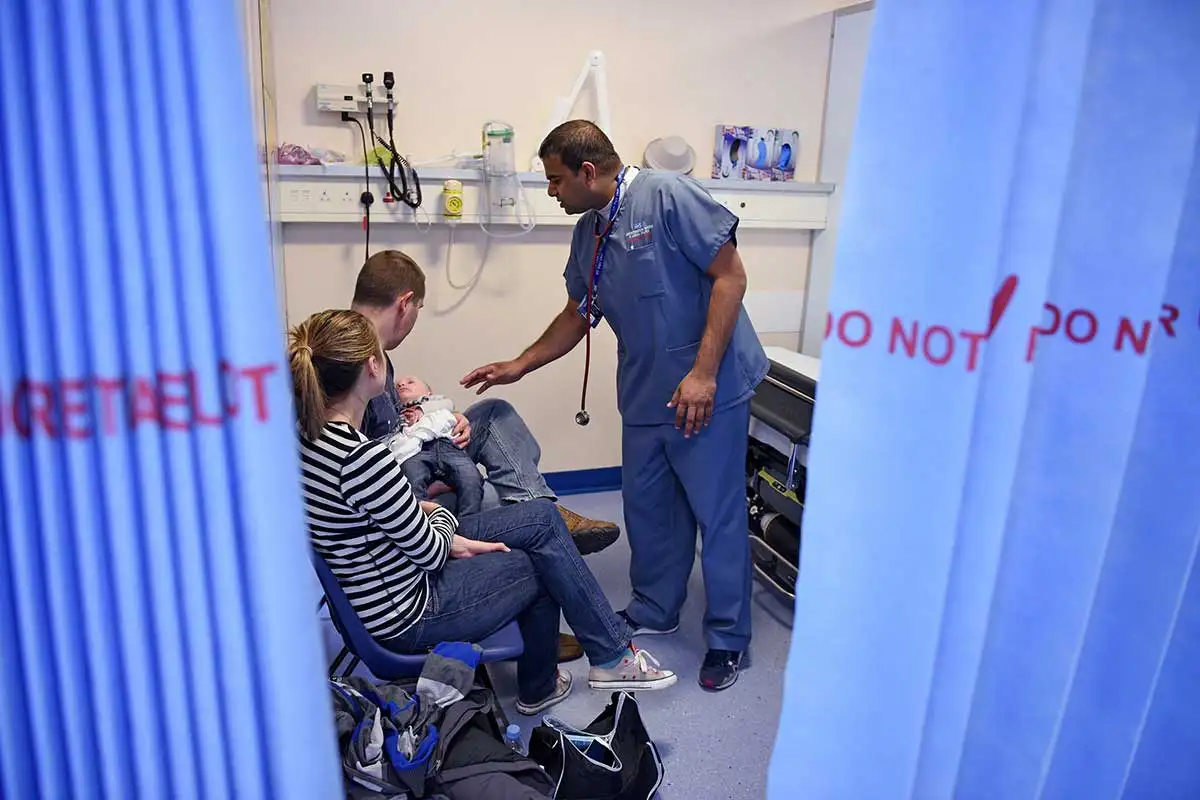
Understanding the process can help reduce anxiety.
✅ 1. Arrival & Registration
- You will check in at reception
- Basic details will be taken
✅ 2. Triage (Assessment)
- A nurse will assess how urgent your condition is
- Patients are seen based on severity — not arrival time
👉 More serious cases are seen first
✅ 3. Waiting Time
- You may need to wait if your condition is less urgent
- Staff will monitor your condition while you wait
✅ 4. Treatment & Care
You may:
- See a doctor or specialist
- Have tests (e.g. X‑ray, blood tests)
- Receive treatment for injury or illness
✅ 5. Next Steps
You may:
- Be sent home with advice
- Be referred for follow‑up care
- Be admitted to hospital if needed
✅ Possible Outcomes
After visiting A&E:
- 🩺 Treatment provided and discharged
- 📋 Referral to GP or specialist
- 🏥 Admission for further care
- 🗣 Advice and reassurance if no serious issue found
👉 A&E ensures you receive the right level of urgent care

You should visit A&E if you or your child has a serious condition that needs urgent attention, including:
🚑 Serious Injuries
- Broken bones
- Deep cuts or wounds
- Head injuries
- Burns or scalds
🫁 Breathing & Chest Concerns
- Severe breathing difficulties
- Sudden chest pain
- Severe asthma symptoms
🧠 Changes in Awareness or Behaviour
- Confusion
- Extreme drowsiness
- Sudden severe symptoms
👶 For Babies & Children
- High temperature with unusual behaviour
- Not feeding or responding normally
- Severe vomiting or dehydration
- Injury or sudden illness
🤰 During Pregnancy or After Birth
- Severe pain
- Unusual or concerning symptoms
- Signs of infection or complications
👉 If you are unsure whether it is an emergency, call NHS 111 for advice
Sometimes, a situation is serious enough that you need to be seen urgently in hospital, but may not always require calling 999.
Accident & Emergency (A&E) departments are there to provide immediate medical care for serious injuries and urgent health concerns.
At Basch Helps, we want families to feel confident in knowing:
👉 When A&E is the right place to go — and what to expect when you arrive
💛 What Is A&E?
A&E (Accident & Emergency) is a hospital service that provides:
- Urgent medical treatment
- Emergency care for serious conditions
- Assessment by doctors, nurses, and specialists
👉 Open 24 hours a day, 7 days a week
⚖️ A&E vs 999 (Quick Reminder)
- 🚑 Immediately life‑threatening? → Call 999
- 🏥 Serious but stable? → Go to A&E
- 📞 Unsure? → Call 111 first
👶 For Parents & Families
Deciding to go to A&E with a baby or child can feel stressful.
👉 Trust your instincts if:
- Your child seems very unwell
- Symptoms are worsening
- Something doesn’t feel right
You will never be judged for seeking help
💛 A Reassuring Message
Many parents worry about:
- “Is it serious enough?”
- Going to A&E unnecessarily
- Long waiting times
👉 Please remember:
Your child’s health and your safety always come first
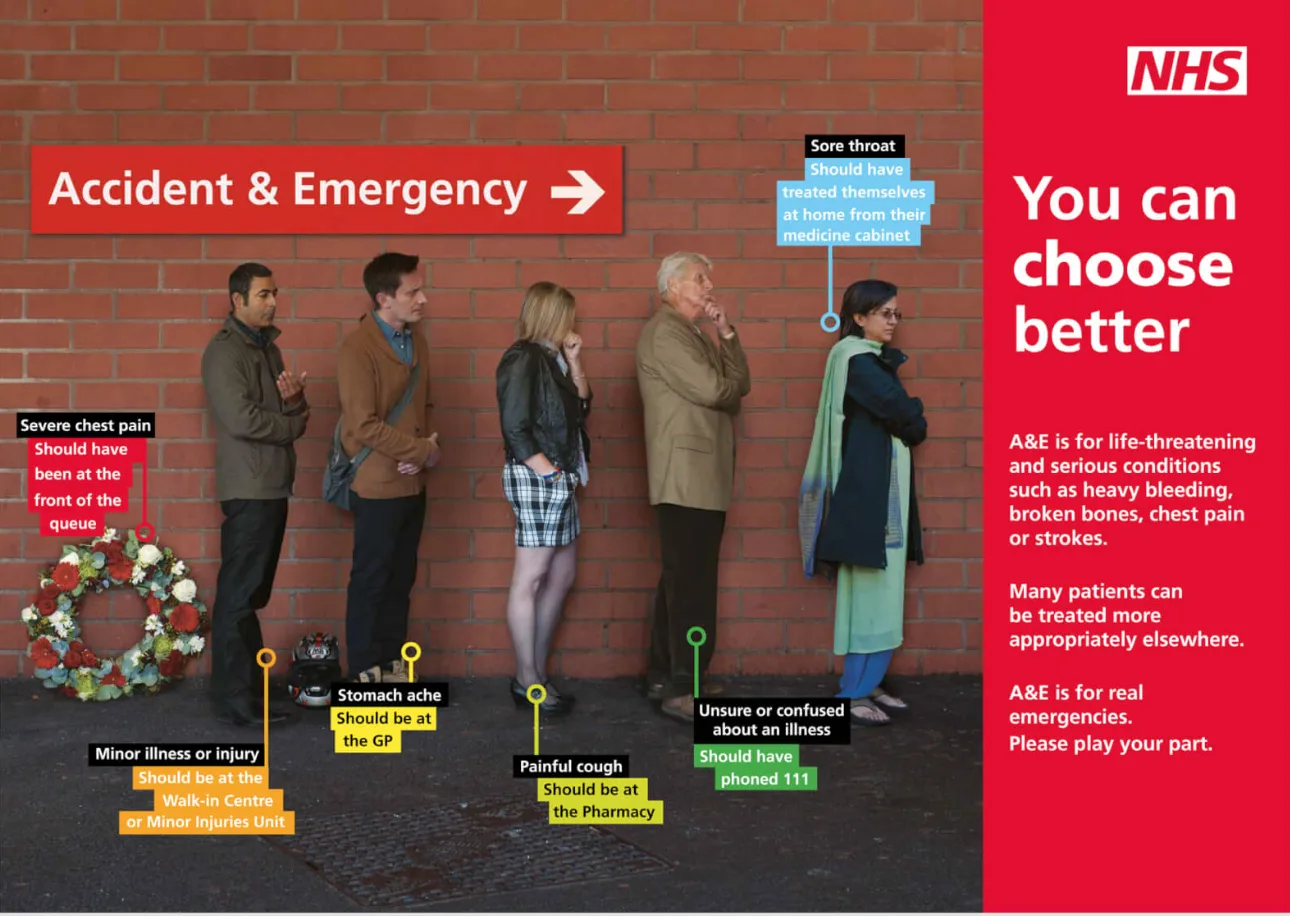
⚠️ When A&E May Not Be Needed
If your situation is not urgent:
- Call NHS 111
- Contact your GP
- Visit a pharmacist
👉 This helps ensure A&E is available for the most urgent cases
❤️ How Basch Helps Can Support You
We understand that hospital visits can feel overwhelming.
We can:
- Offer emotional support after difficult experiences
- Help you understand what happened
- Signpost you to follow‑up services
- Support you as part of your wider journey
👉 You are not alone in navigating healthcare