Help others feel more confident to seek help
Experiences of symptoms, screening, or treatment can feel uncertain at first.
You might want to share:
- What led you to see a GP
- Your experience of screening or tests
- What helped you feel supported
- Advice for others
Why Sharing Matters
Your experience can:
- Encourage someone else to get checked
- Reduce fear and uncertainty
- Help others understand what to expect
A Safe and Respectful Space
- You can share anonymously
- Your experience will be treated with care and respect
- There is no pressure to share
👉 Share your experience of bowel health and screening
Changes in your body are worth paying attention to.
👉 If something doesn’t feel right, speak to your GP — it’s always better to check
The NHS offers a free screening programme to help detect bowel cancer early — even before symptoms appear.
Who Is Invited?
In England:
- People aged 60 to 74 are invited every 2 years
- In some areas, the age range is expanding (including from age 50)
What Is the Test?
- A simple home test kit (stool sample)
- Sent through the post
- You return it by mail
👉 The test checks for signs of blood in your stool that may not be visible.
Why Screening Matters
Screening can:
- Detect cancer early
- Identify changes before cancer develops
- Save lives through early treatment
👉 You do not need to have symptoms to take part.
🏥 What Happens If You Seek Help
Step 1 – GP Contact
- You discuss symptoms with your GP
- You may be referred for further investigation
Step 2 – Tests
Tests may include:
- Colonoscopy (camera to examine the bowel)
- Blood tests
- Imaging scans
Step 3 – Diagnosis
- Results are explained clearly
- If cancer is found, treatment options are discussed
👉 You will be supported at every stage of the process.
🌱 Treatment Options
If bowel cancer is diagnosed, treatment depends on the stage and type.
It may include:
- Surgery (to remove the affected area)
- Chemotherapy
- Radiotherapy
👉 Many treatments are successful, especially when cancer is caught early.
💛 Who Is at Higher Risk?
Risk can increase with:
- Age (especially over 50)
- Family history of bowel cancer
- Certain medical conditions
- Lifestyle factors (diet, smoking, alcohol, inactivity)
👉 Having risk factors does not mean you will develop cancer — but awareness is important.
❤️ How the NHS Can Support You
The NHS provides:
- Free screening programmes
- GP support and referrals
- Specialist cancer services
- Ongoing treatment and care
👉 You are not expected to navigate this alone.
Bowel cancer is one of the most common cancers in the UK, but when detected early, it is often treatable.
At Basch Helps, we want to help make this topic easier to understand — so you feel confident recognising symptoms and knowing when to seek help.
👉 Most bowel changes are not cancer — but it’s always important to get checked.
🔬 What Is Bowel Cancer?
Bowel cancer (also known as colorectal cancer) affects the large bowel, which includes:
- The colon
- The rectum
It usually develops slowly over time, often starting from small growths called polyps, which can become cancerous if not removed.
🔍 Symptoms to Be Aware Of
It’s important to notice any changes that are unusual for you.
Changes in Bowel Habits
- Going to the toilet more often than usual
- Diarrhoea, constipation, or a change in stool consistency
- Feeling like you haven’t fully emptied your bowels
Changes When You Go to the Toilet
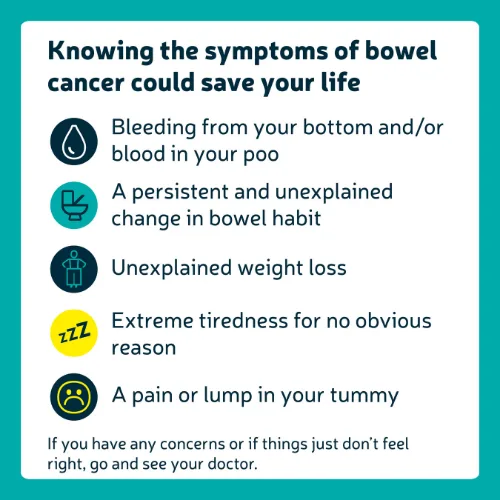
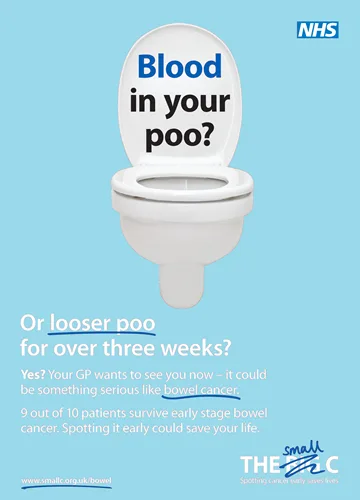
- Blood in your stool (poo)
- Bleeding from the back passage
General Symptoms
- Persistent stomach pain, bloating, or discomfort
- Unexplained weight loss
- Feeling unusually tired (which may be linked to anaemia)
👉 If symptoms last 3 weeks or more, or feel concerning at any time, contact your GP.
💛 Who Is at Higher Risk?
Risk can increase with:
- Age (especially over 50)
- Family history of bowel cancer
- Certain medical conditions
- Lifestyle factors (diet, smoking, alcohol, inactivity)
👉 Having risk factors does not mean you will develop cancer — but awareness is important.
🤍 How Basch Helps Supports You
At Basch Helps, we understand that health concerns can affect the whole family.
We can:
- Offer emotional support through befriending
- Provide a safe space to talk through concerns
- Help you access NHS services
- Support you alongside your healthcare journey