Your story can help others feel less alone
Every experience of screening, diagnosis, or treatment is different.
You might have:
- Attended screening
- Noticed symptoms and sought help
- Supported a family member
- Gone through treatment
Your experience can:
- Help others recognise symptoms
- Encourage early action
- Provide reassurance during a difficult time
What You Might Want to Share
You can share:
- What prompted you to seek help
- What your experience of screening or diagnosis was like
- What helped you feel supported
- Advice for others
A Safe and Respectful Space
- You can share anonymously
- Your experience will be treated with care and respect
- There is no pressure to share
👉 Share your experience of breast health and support
About 1 in 8 women in the UK are diagnosed with breast cancer during their lifetime. If it’s detected early, treatment is more successful and there’s a good chance of recovery.
The NHS offers a free breast screening programme to help detect cancer early.
What Is Screening?
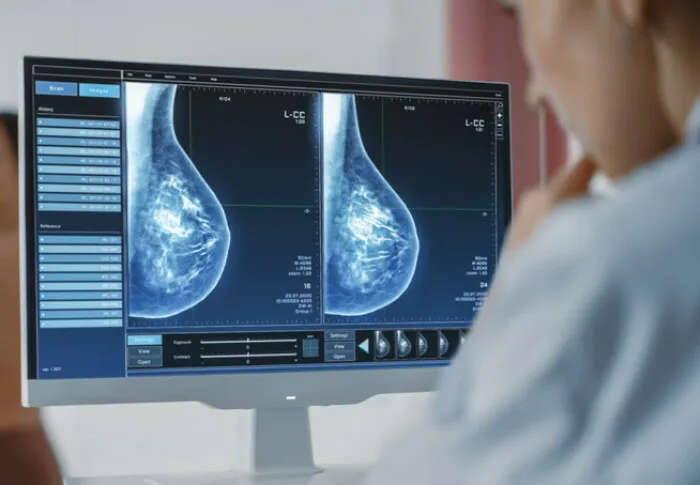
- A mammogram (breast X‑ray) used to detect changes
- Can find problems before symptoms appear
🏥 What Happens If You Seek Help
Step 1 – GP or Referral
- You contact your GP or attend screening
- You may be referred to a specialist clinic
Step 2 – Assessment
At a breast clinic, you may have:
- A physical examination
- A mammogram or ultrasound
- A biopsy (if needed)
👉 These tests help understand what is happening.
Step 3 – Diagnosis
- Results are explained clearly
- If cancer is found, treatment options will be discussed
👉 You will be supported throughout — you are not expected to navigate this alone.
🌱 Treatment Options
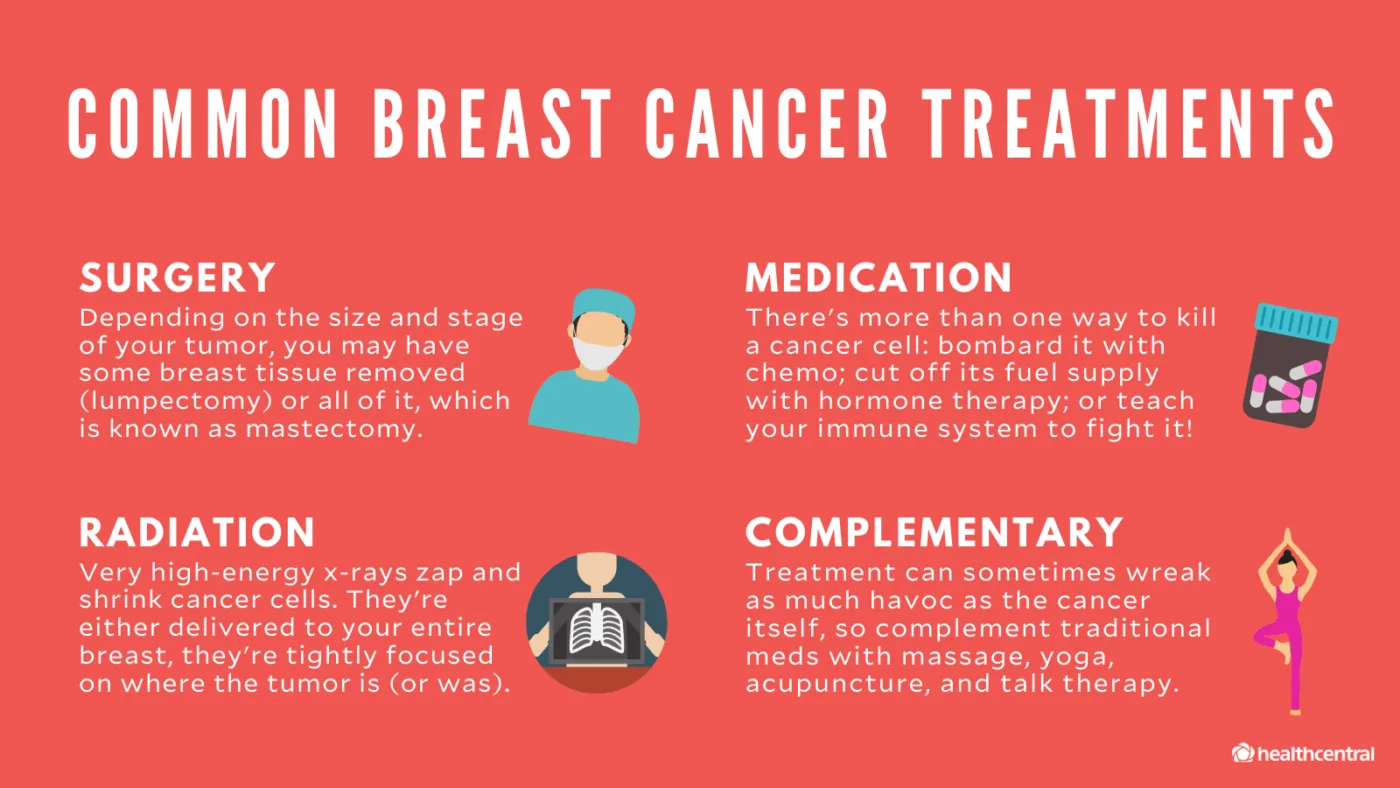
If breast cancer is diagnosed, treatment will depend on your situation.
This may include:
- Surgery
- Radiotherapy
- Chemotherapy
- Hormone therapy
👉 Treatment is planned around your needs, and support is provided at every stage.
Breast cancer is one of the most common cancers in the UK, and many people will know someone who has been affected by it.
At Basch Helps, we want to help make information clear, accessible, and supportive — so you feel confident understanding your body and seeking help if something doesn’t feel right.
👉 Most breast changes are not cancer — but it’s always important to get checked.
🔍 Symptoms to Be Aware Of
It’s important to know what is normal for your body so you can notice any changes early.
Look out for:
Changes in Your Breast
- A lump or swelling in the breast, chest, or underarm
- A change in size or shape of one or both breasts
Changes in the Skin
- Dimpling or puckering of the skin
- Redness or rash
- Skin that looks or feels different
Changes in the Nipple
- Nipple turning inward (inverted)
- Discharge (including blood)
- Pain in the nipple or breast
👉 If you notice any of these changes, contact your GP as soon as possible.
💛 Emotional and Practical Support
Being tested or diagnosed can feel overwhelming.
You may experience:
- Fear or anxiety
- Uncertainty about the future
- Concerns about family or children
👉 Support is available through:
- NHS teams
- Cancer support services
- Community organisations
❤️ How Basch Helps Can Support You
At Basch Helps, we recognise the impact a health concern can have on families.
We can:
- Offer emotional support through befriending
- Provide a safe space to talk
- Help signpost you to the right services
- Support you alongside NHS care
👉 You don’t have to go through this alone.