How to Recognise Symptoms of Measles, Mumps and Rubella (MMR)
Understanding the signs so you know when to seek advice
Measles, mumps, and rubella can sometimes begin with symptoms that feel similar to common illnesses. Knowing what to look out for can help you feel more confident about when to seek support.
Measles — What to Look For
Measles usually starts with symptoms similar to a cold or flu, followed by a rash.
Common early signs:
- High temperature (fever)
- Runny or blocked nose
- Cough
- Red, watery eyes
A few days later:
- A distinct rash appears, usually starting on the face and spreading across the body
- Small white spots may appear inside the mouth
👉 Measles can make children feel quite unwell and symptoms can worsen quickly.
Mumps — What to Look For
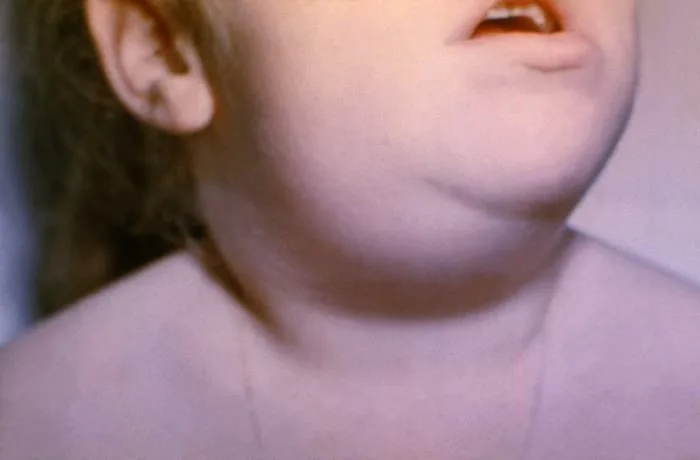
Mumps mainly affects the glands around the face.
Common signs:
- Swelling on one or both sides of the face (around the jaw or cheeks)
- Pain or tenderness when chewing or swallowing
- Fever
- Headache or tiredness
👉 The swelling can develop over a day or two and may be uncomfortable.
Rubella — What to Look For
Rubella is usually milder, but still important to recognise.
Common signs:
- A light rash that starts on the face and spreads
- Mild fever
- Swollen glands (especially around the neck)
- Cold‑like symptoms
👉 Symptoms may be subtle, but rubella can be serious during pregnancy.
When Should You Seek Advice?
You should contact a healthcare professional if:
- Your child has a rash and a fever
- You notice swelling of the face or glands
- Your child seems unusually unwell, drowsy, or distressed
- You’re unsure whether symptoms could be measles, mumps, or rubella
👉 It’s always okay to be cautious — a GP or NHS service can advise you.
Important: What to Do First
If you think your child may have symptoms:
- Call your GP surgery first before attending in person
- Explain the symptoms clearly
- Follow their advice on next steps
This helps protect:
- Other patients
- Children who may be vulnerable
A Gentle Reminder
Many symptoms can overlap with common childhood illnesses.
You are not expected to diagnose anything yourself — this guide is simply here to help you spot potential signs and feel confident about when to seek support.
You Know Your Child Best
If something doesn’t feel right, trust your instincts.
Even if symptoms seem mild, reassurance from a healthcare professional can help you feel more confident and supported.