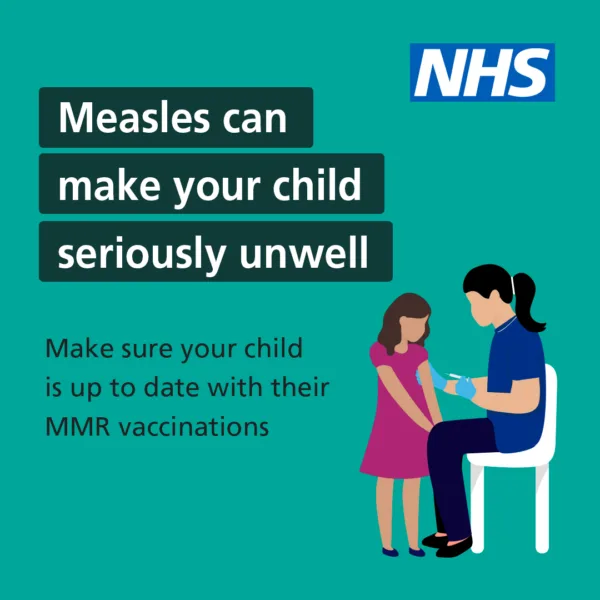
MMR: Myths and Facts
There’s a lot of information — and sometimes misinformation — about vaccinations. It’s completely normal to have questions.
This section aims to gently clarify some common concerns, so you can feel more informed and confident in your conversations.
Myth: The MMR vaccine isn’t necessary anymore
Fact:
Measles, mumps, and rubella still exist and can spread quickly — especially when vaccination levels drop. Outbreaks can and do happen, particularly in communities where fewer people are protected.
Vaccination helps protect both your child and those around them.
Myth: These are just mild childhood illnesses
Fact:
While some children recover well, these illnesses can sometimes lead to serious complications.
- Measles can cause breathing difficulties and infections
- Mumps can lead to swelling and complications
- Rubella can be very harmful during pregnancy
Protection through vaccination helps reduce these risks.
Myth: The MMR vaccine isn’t safe
Fact:
The MMR vaccine has been used for many years and is part of the UK’s routine vaccination programme.
It has been carefully tested, widely used, and continuously monitored. Like most vaccines, some mild side effects can occur (such as a slight fever), but serious side effects are very rare.
If you have concerns, speaking with a GP or health visitor can help you get accurate, personalised advice.
Myth: The MMR vaccine is linked to autism
Fact:
Extensive research has shown no link between the MMR vaccine and autism.
This concern came from a study that has since been discredited and withdrawn. Ongoing research continues to confirm that the MMR vaccine is safe.
Myth: The MMR vaccine is linked to autism
Fact:
Extensive research has shown no link between the MMR vaccine and autism.
This concern came from a study that has since been discredited and withdrawn. Ongoing research continues to confirm that the MMR vaccine is safe.
Myth: Natural immunity is better than vaccination
Fact:
Getting immunity through illness means taking the risk of the illness itself — including possible complications.
Vaccination provides protection without exposing your child to those risks.
A Note for Parents
It’s okay to feel unsure, to ask questions, and to take time to understand what feels right for your family.
What matters most is that you feel informed, supported, and able to access trusted advice when you need it.
If you have questions, a GP, health visitor, or NHS service can provide clear and reliable guidance.