Help other families choose the right care
You might want to share:
- Why you decided to go to urgent care
- What your experience was like
- How quickly you were seen
- What treatment or advice you received
Why Sharing Matters
Your experience can:
- Help others understand when to use urgent care
- Reduce confusion and stress
- Encourage faster help‑seeking
- Support informed decisions
A Safe and Respectful Space
- You can share anonymously
- Your experience will be treated with care and respect
- There is no pressure to share
👉 Share your experience and support another family
Understanding when urgent care is the right choice
👶 Scenario 1: Child With a Fever
“My child had a high temperature but was still alert.”
👉 Action: Visited urgent care
Outcome: Assessed and treated, advice given
💬 Why it matters: Urgent but not emergency cases are ideal for urgent care
🩹 Scenario 2: Sprained Ankle
“I twisted my ankle and couldn’t walk properly.”
👉 Action: Went to urgent care
Outcome: Checked, treated, and advised on recovery
💬 Why it matters: Minor injuries can be treated quickly outside A&E
🤱 Scenario 3: Infection Concern After Birth
“I had pain and suspected an infection.”
👉 Action: Visited urgent care
Outcome: Treated and given follow‑up advice
💬 Why it matters: Early treatment prevents complications
👶 Scenario 4: Persistent Vomiting
“My baby was being sick and couldn’t keep food down.”
👉 Action: Went to urgent care
Outcome: Assessed and monitored
💬 Why it matters: Urgent symptoms need timely assessment
✅ 1. Walk‑In or Referral
- You may walk in or be referred by NHS 111
- Some centres offer booked slots via 111
✅ 2. Triage (Initial Assessment)
- A healthcare professional will assess your condition
- More urgent cases are prioritised
✅ 3. Waiting Time
- Usually shorter than A&E
- Depends on how busy the service is
✅ 4. Treatment
You may:
- Be examined
- Receive treatment
- Be prescribed medication
- Get advice on managing your condition
✅ 5. Next Steps
You may:
- Be sent home with advice
- Be referred to your GP
- Be referred to hospital if needed
✅ Possible Outcomes
After visiting urgent care:
- 🩺 Treatment for illness or injury
- 💊 Prescription or medication advice
- 📋 Referral to GP or specialist
- 🏥 Escalation to A&E if required
👉 The aim is to provide quick, effective care in the right setting
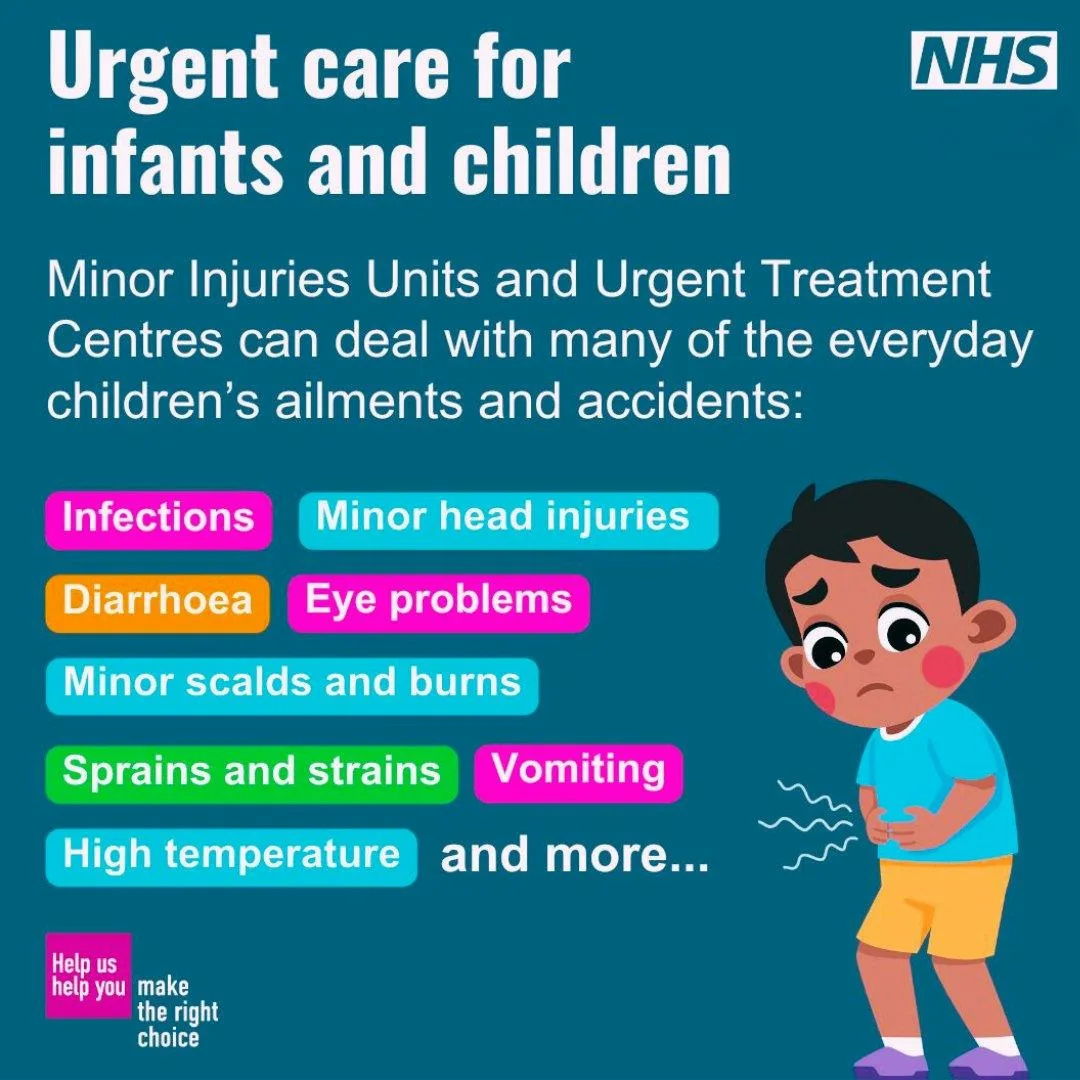
You should consider urgent care if you need quick treatment for:
🩹 Minor Injuries
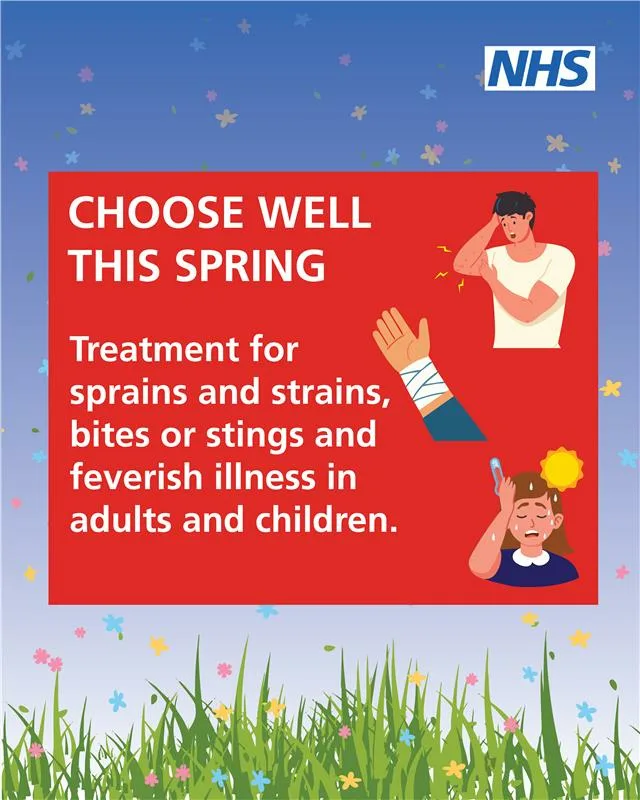
- Sprains and strains
- Minor burns or scalds
- Minor fractures or suspected broken bones
- Cuts that may need stitches
🦟 Illnesses That Need Same‑Day Attention
- Fever or infections
- Vomiting or diarrhoea
- Skin infections or rashes
- Ear, nose, or throat infections
👶 For Babies & Children
- High temperature (but responsive)
- Minor injuries
- Persistent symptoms needing assessment
🤱 Pregnancy & Post‑Birth Concerns
- Mild to moderate symptoms
- Infections or pain that need checking
- Concerns that feel urgent but not emergency
👉 If you are unsure, you can call NHS 111 first for advice
Sometimes you need medical help quickly, but it’s not serious enough for A&E or an emergency call.
Urgent Care Clinics (also called Urgent Treatment Centres) are designed for situations like this.
👉 They provide fast, professional care for a range of illnesses and injuries that need attention the same day.
At Basch Helps, we want families to feel confident in knowing:
👉 When an urgent care clinic is the right place to go — and what to expect when you get there
💛 What Is an Urgent Treatment Centre?
Urgent Care Clinics offer:
- Treatment for urgent but not life‑threatening conditions
- Access to trained healthcare professionals
- Care without needing an appointment (in many cases)
👉 Often available:
- Evenings and weekends
- When GP surgeries are closed
- As an alternative to A&E
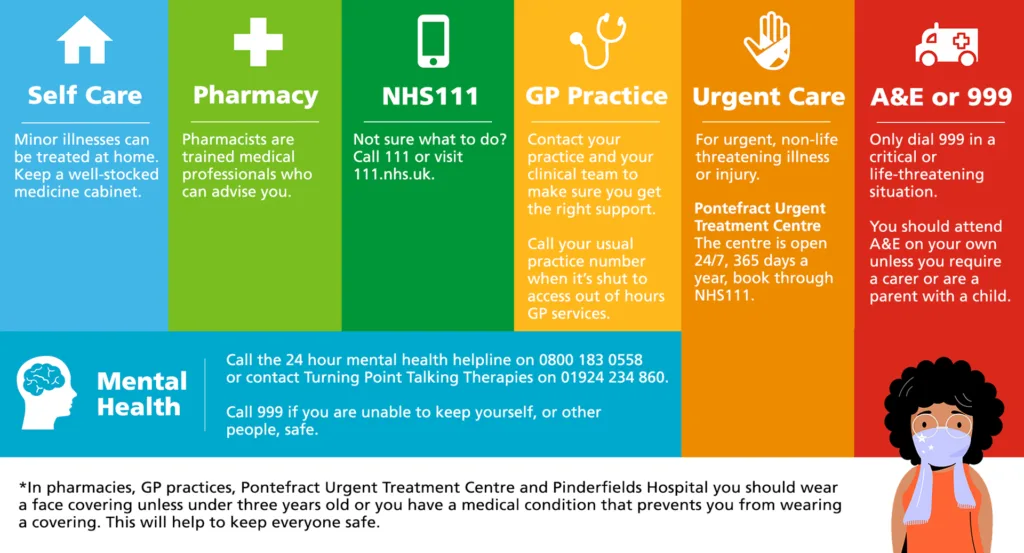
⚖️ Urgent Care vs A&E (Quick Guide)
- 🏥 Urgent care → urgent but not life‑threatening
- 🚨 A&E → serious or severe conditions
- 📞 999 → immediate life‑threatening emergencies
👉 Urgent care helps reduce pressure on A&E and gets you seen quicker
👶 For Parents & Families
Urgent care can be especially helpful if:
- Your child is unwell but stable
- You need reassurance quickly
- GP appointments are not available
👉 It gives you fast access to care without going straight to A&E
💛 A Reassuring Message
Many parents feel unsure about where to go.
👉 If your situation:
- Needs attention today
- Feels urgent but not severe
➡️ Urgent care is often the right place
❤️ How Basch Helps Can Support You
We understand that deciding where to go can be stressful.
We can:
- Help you understand your options
- Signpost you to the right services
- Offer emotional support during difficult situations
- Support you after your healthcare experience
👉 You don’t have to navigate this alone