🧪 NHS Bowel Cancer Screening
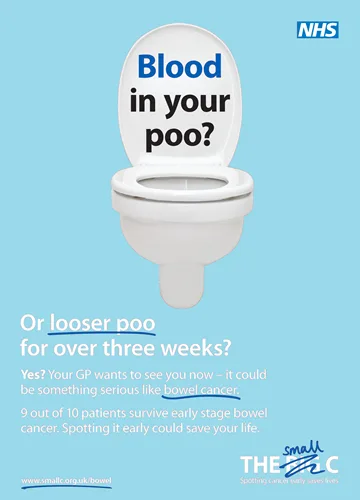
The NHS offers a free screening programme to help detect bowel cancer early — even before symptoms appear.
Who Is Invited?
In England:
- People aged 60 to 74 are invited every 2 years
- In some areas, the age range is expanding (including from age 50)
What Is the Test?
- A simple home test kit (stool sample)
- Sent through the post
- You return it by mail
👉 The test checks for signs of blood in your stool that may not be visible.
Why Screening Matters
Screening can:
- Detect cancer early
- Identify changes before cancer develops
- Save lives through early treatment
👉 You do not need to have symptoms to take part.
🏥 What Happens If You Seek Help
Step 1 – GP Contact
- You discuss symptoms with your GP
- You may be referred for further investigation
Step 2 – Tests
Tests may include:
- Colonoscopy (camera to examine the bowel)
- Blood tests
- Imaging scans
Step 3 – Diagnosis
- Results are explained clearly
- If cancer is found, treatment options are discussed
👉 You will be supported at every stage of the process.
🌱 Treatment Options
If bowel cancer is diagnosed, treatment depends on the stage and type.
It may include:
- Surgery (to remove the affected area)
- Chemotherapy
- Radiotherapy
👉 Many treatments are successful, especially when cancer is caught early.
💛 Who Is at Higher Risk?
Risk can increase with:
- Age (especially over 50)
- Family history of bowel cancer
- Certain medical conditions
- Lifestyle factors (diet, smoking, alcohol, inactivity)
👉 Having risk factors does not mean you will develop cancer — but awareness is important.
❤️ How the NHS Can Support You
The NHS provides:
- Free screening programmes
- GP support and referrals
- Specialist cancer services
- Ongoing treatment and care
👉 You are not expected to navigate this alone.