






















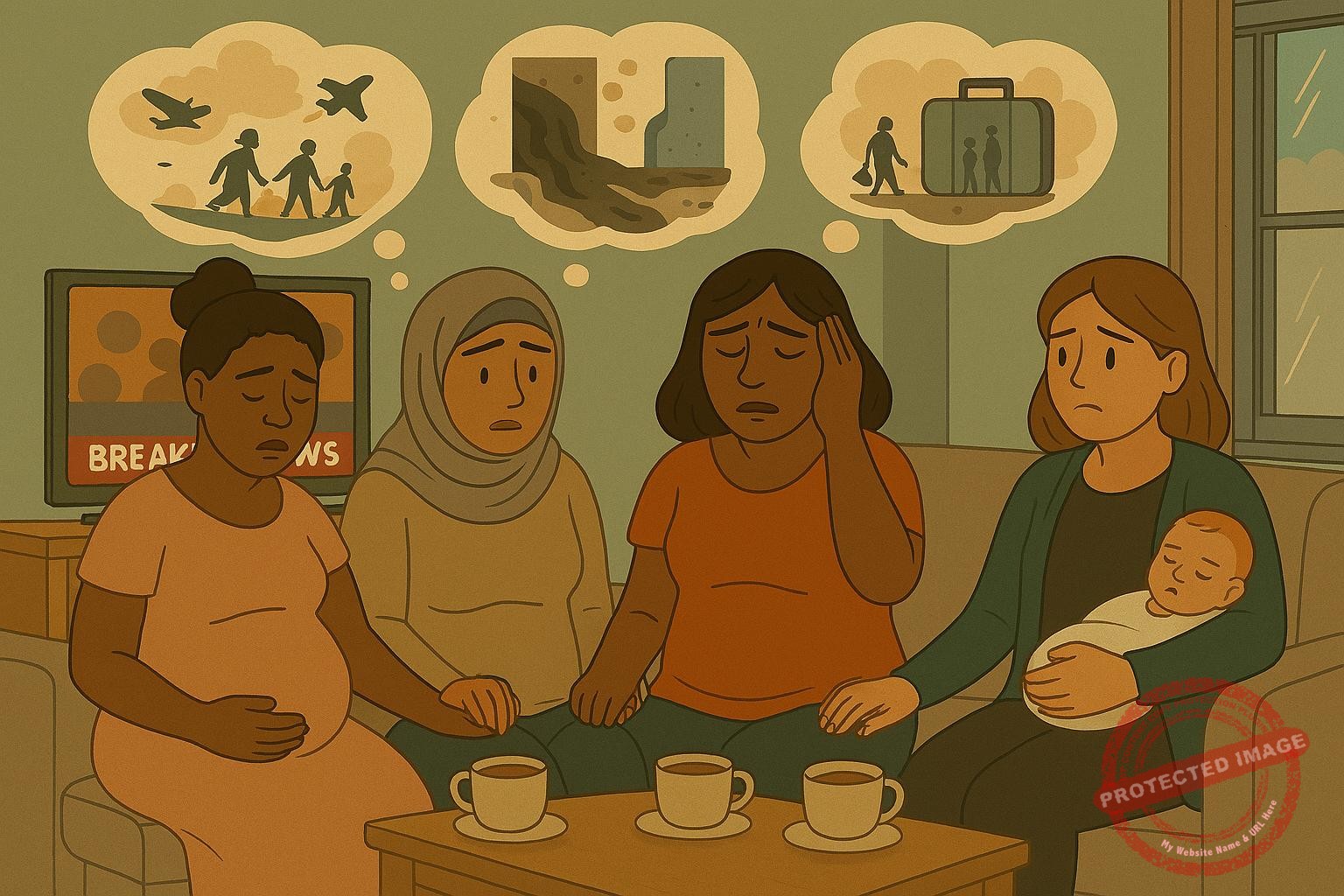
London, a city that promises refuge, safety and opportunity, has become a place of survival for countless pregnant women and young mothers often fleeing conflict zones from around the globe. These women carry the scars of displacement, but their wounds are constantly reopened through recent events unfolding particularly in Europe, Africa and Asia.
Every day, they watch the wars in their homelands unfold on television screens and social media feeds. Images of bombed-out streets, lifeless bodies, and grieving families are not distant news stories—they are reminders of the homes they fled, the loved ones they left behind, and the futures that remain uncertain.
For these mothers, the trauma is relentless. The horrors they escaped are replayed in real time, amplifying their psychological distress. Their minds are torn between the present—raising a newborn in a foreign city—and the past, where memories of violence and loss refuse to fade.
The Fragile State of Motherhood in Exile
Pregnancy and early motherhood should be a time of tenderness, but for asylum-seeking women, it is overshadowed by fear and instability. Financial hardship, the exhaustion of moving from one temporary shelter to another, and the absence of family support leave them vulnerable.
The psychological repercussions are devastating:
- Anxiety and hypervigilance triggered by war images, leaving mothers unable to rest.
- PTSD symptoms such as flashbacks and nightmares. Flashbacks, nightmares, and hypervigilance are common among women who have witnessed violence or war.
- Chronic stress and anxiety from asylum uncertainty. The uncertainty of asylum status and unstable living conditions create a persistent state of fear.
- Depression and despair as they grieve for loved ones whose fate is unknown, from isolation and poverty.
- Bonding difficulties with their babies, as trauma interferes with emotional connection. Trauma can interfere with a mother’s ability to emotionally connect with her child, perpetuating cycles of distress.
- Generational impact, where infants absorb the stress of their mothers, growing up in an atmosphere of fear rather than security.
Babies sense their mothers’ distress. They feel the tension in every heartbeat, every sleepless night, every tear shed in silence. The cycle of trauma threatens to pass from mother to child, shaping the emotional landscape of the next generation.
Some mothers arrive with pre-existing mental health conditions, which are worsened by isolation and the absence of family support.
The Weight of Displacement
- Many have fled war zones, persecution, or political instability, leaving behind family members whose fate remains unknown.
- The psychological toll of separation is immense: mothers often replay traumatic memories while simultaneously fearing those left behind.
- This unresolved grief compounds the stress of adapting to life in a foreign city.
Basch Helps: A Beacon of Compassion
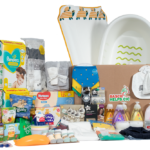
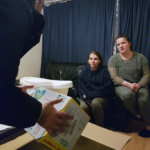
In this darkness, Basch Helps has become a lifeline. Our community enterprise delivers baby emergency relief packages, listens with empathy and without judgment, encourages bonding activities to help mothers focus on nurturing their children, and most importantly, connects them to free, high-quality mental health services.
Basch Helps is not just providing diapers and formula—it is restoring dignity, hope, and the possibility of healing.
Amid this bleak reality, Basch Helps has become a vital source of relief. Our community enterprise provides:
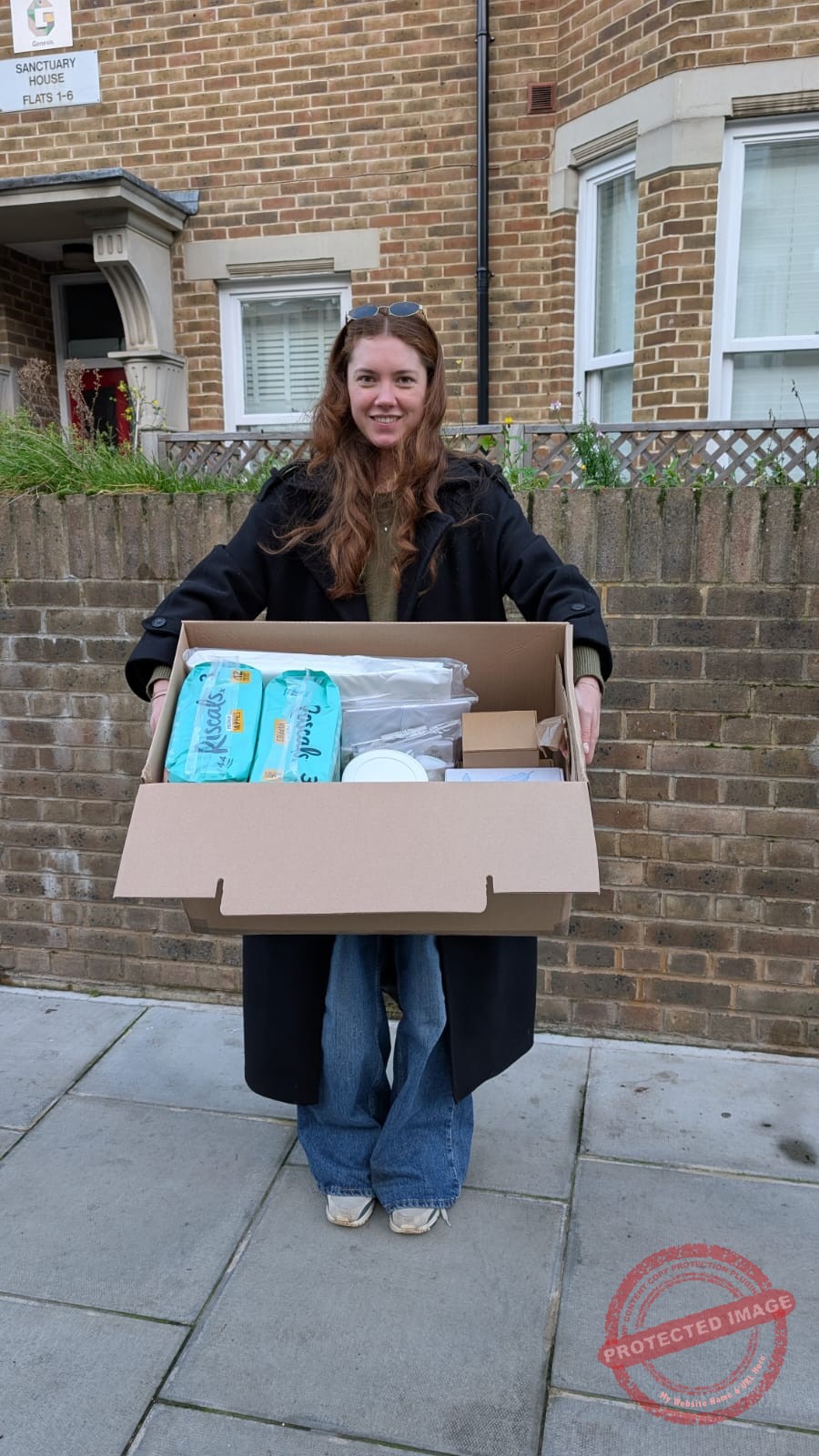
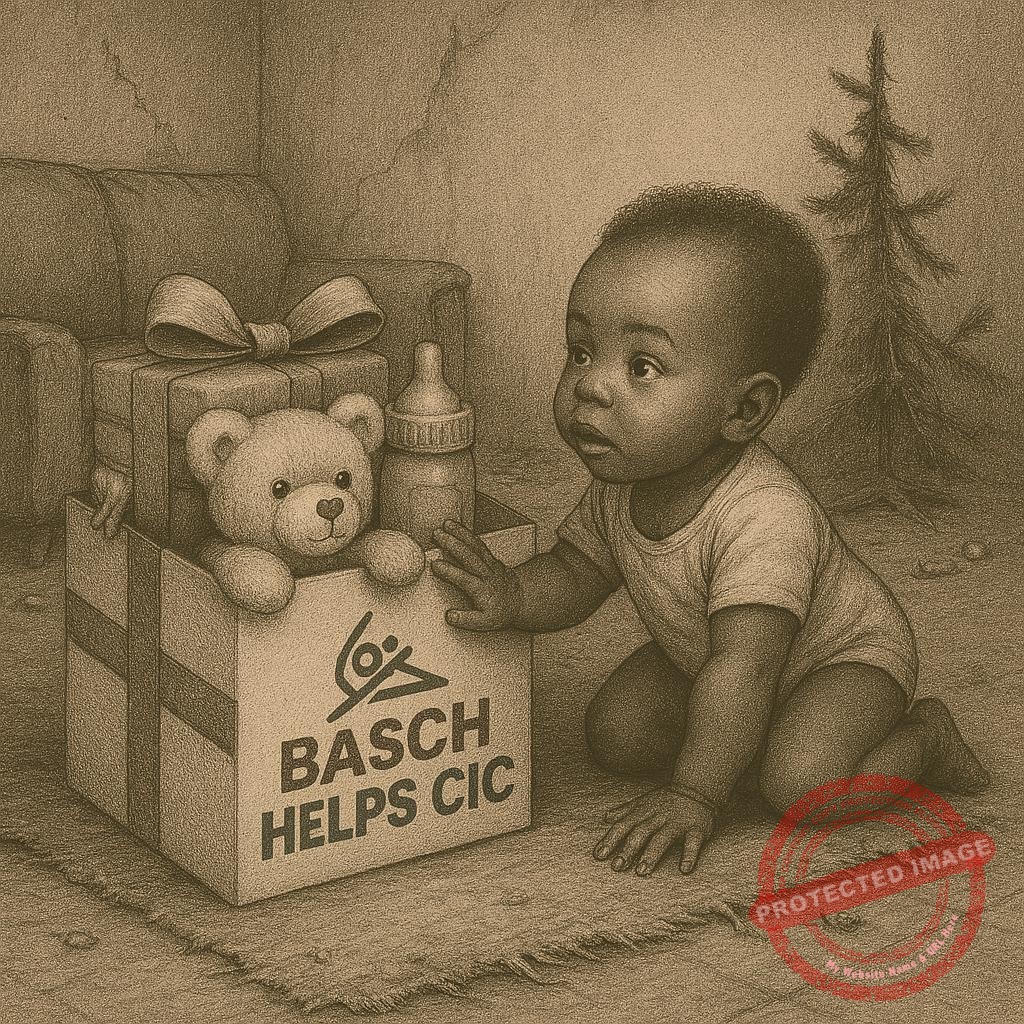
- AngelBox: Baby emergency relief packages with essentials like nappies, formula, clothing, baby equipment and more. To ease immediate burdens.
- Non-judgmental listening to mothers’ concerns, offering dignity and empathy without stigma.
- Bonding activities to encourage nurturing relationships between mothers and children. Helping mothers focus on nurturing their children through play and shared experiences, shifting attention away from war-related anxieties.
- Signposting to free mental health services, ensuring mothers access professional support when needed that can make the difference between despair and resilience.
The plight of asylum-seeking mothers is not just a humanitarian issue—it is a societal one. Supporting them means:
- Preventing long-term psychological harm for both mother and child.
- Breaking cycles of trauma that can persist across generations.
- Building stronger, more compassionate communities in London.
These women are not just survivors; they are resilient mothers striving to protect and nurture their children against unimaginable odds. Our community enterprise, Basch Helps, is proud and ready to always show compassion, solidarity, and practical support which can transform despair into hope.
The demand for support is growing. Every day, more mothers arrive in London carrying both babies and unbearable burdens. Basch Helps cannot meet this need alone.
Your donation can provide immediate essentials for babies and an opportunity to find the right support for mothers who are facing this hidden crisis alone. By giving, you are not only feeding a child—you are helping a mother reclaim her strength, her bond with her baby, and her hope for the future.
Asylum-seeking mothers in London are facing a silent crisis: reliving trauma daily while raising newborns in unstable conditions. Basch Helps are stepping in, but the demand for support has surged.
Every donation, every act of compassion, is a step toward breaking the cycle of trauma.
Together, we can ensure that asylum-seeking mothers in London are not left to face war, grief, and motherhood alone.
Charities & Support Services Supporting Mothers in Mental Health Crisis
- Maternal Mental Health Alliance – National network supporting perinatal mental health.
- PANDAS Foundation UK – Free support for parents affected by perinatal mental illness.
- Our Time Charity – Workshops for families affected by parental mental illness.
- Mind – Nationwide mental health charity offering counselling and crisis support.
- Family Action – Provides perinatal support services across London.
- Home-Start London – Volunteer-led support for families with young children.
- Tommy’s Charity – Focused on pregnancy health and mental wellbeing.
- Samaritans – 24/7 crisis helpline for anyone in despair.
- NCT (National Childbirth Trust) – Offers postnatal groups and mental health support.
- Anna Freud Centre – Specialist mental health services for parents and children.
NHS Talking Therapies and Services
The NHS Talking Therapies programme is a vital resource for parents struggling with depression, anxiety, PTSD, or trauma. Services include cognitive behavioural therapy (CBT), counselling, interpersonal therapy, and trauma-focused treatments such as EMDR.
Parents can self-refer without needing a GP appointment, making access easier and faster. Sessions are available face-to-face, online, or by phone, and multilingual support ensures that asylum-seeking mothers can receive help in their own language.
The NHS also offers perinatal mental health services, ensuring that mothers receive specialised care during pregnancy and after birth. These services are a lifeline, helping mothers rebuild their mental health and strengthen their bond with their children.
Services include:
- Cognitive Behavioural Therapy (CBT)
- Counselling for depression
- Interpersonal therapy
- Trauma-focused therapies such as EMDR



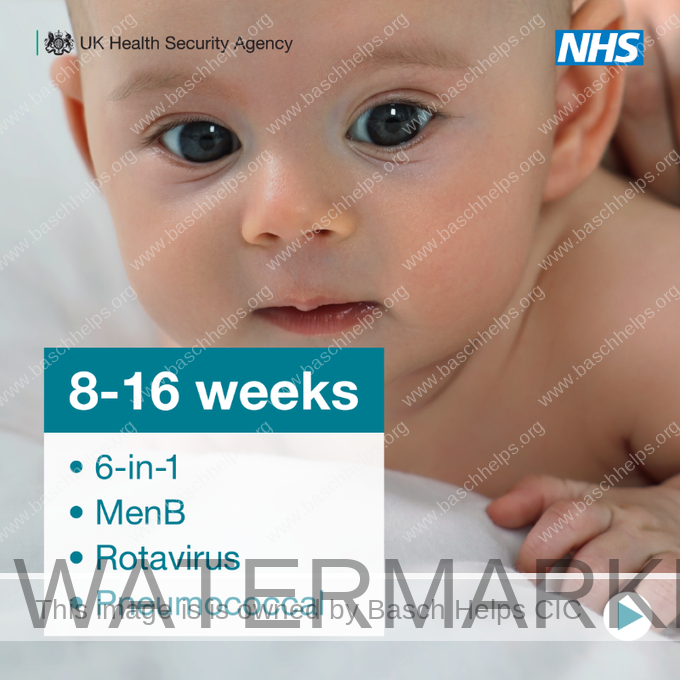 At 8-16 weeks your baby should have taken all these vaccinations
It's important that vaccines are given on time for the best protection, but if you or your child missed a vaccine, contact your GP to catch up.
To get more information on how to book an appointment in London.
At 8-16 weeks your baby should have taken all these vaccinations
It's important that vaccines are given on time for the best protection, but if you or your child missed a vaccine, contact your GP to catch up.
To get more information on how to book an appointment in London.