


























Across London today, tens of thousands of babies and young children are growing up in temporary accommodation. Behind the statistics are infants spending their first months in hostels, toddlers learning to walk in cramped corridors, and parents struggling to nurture their children in unsafe, unsuitable environments.
Temporary accommodation is not just a housing issue — it is a developmental emergency.
- Babies need stability, warmth, and quiet to thrive. In hostels and B&Bs, they are surrounded by noise, strangers, and constant uncertainty.
- Toddlers require safe space to explore and play. Instead, many are confined to single rooms, with no access to toys or outdoor areas.
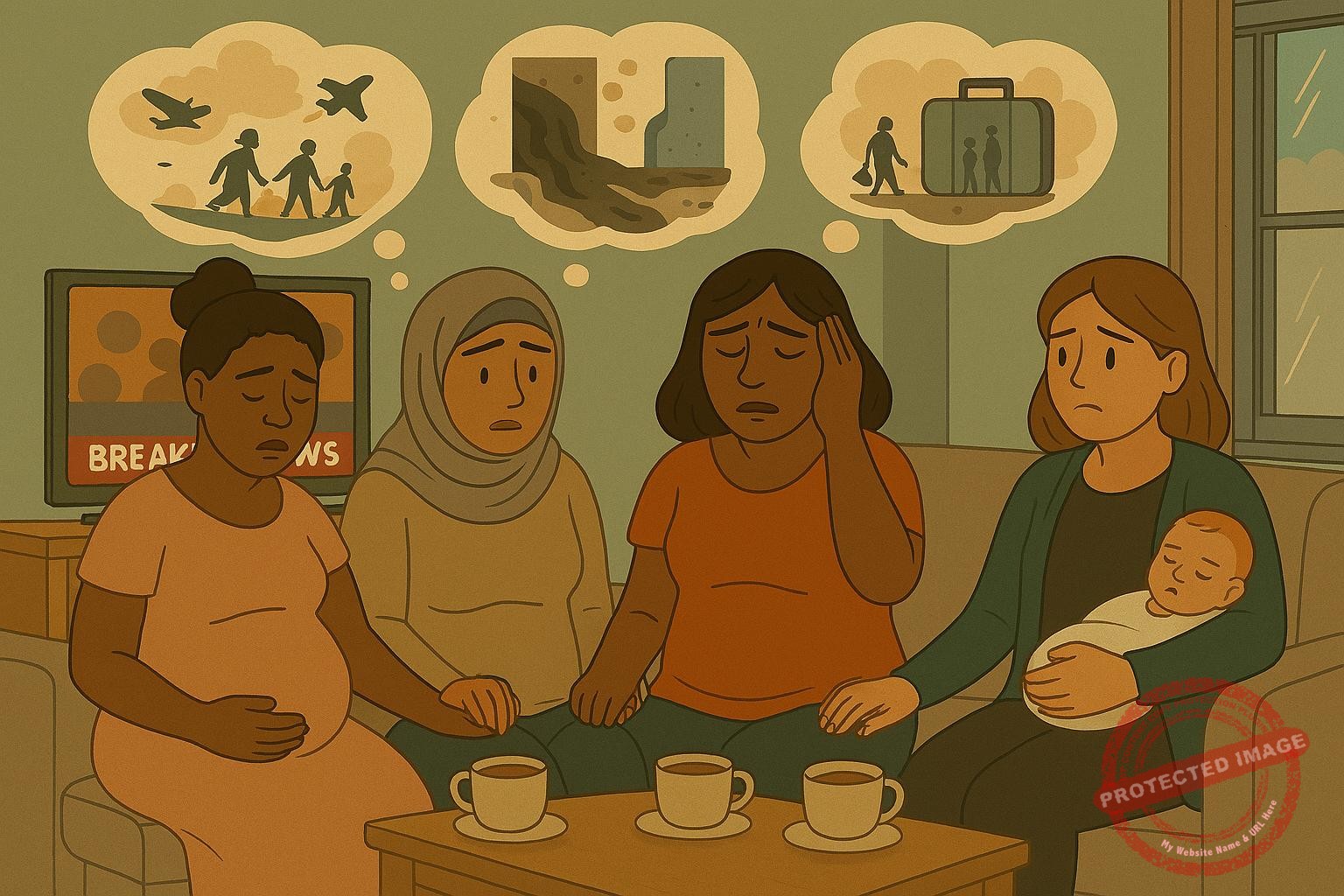
- Parents need security to bond and nurture. Living in limbo, often sharing kitchens and bathrooms with strangers, makes it nearly impossible to provide the calm, loving environment every child deserves.
Research shows that early childhood experiences shape lifelong health and wellbeing. Growing up in temporary accommodation increases risks of developmental delays, emotional distress, and poor physical health. For parents, the stress of homelessness erodes their ability to nurture, leaving families trapped in cycles of hardship.
🍼 Why Babies and Toddlers Are Especially Vulnerable
Babies and toddlers growing up in temporary accommodation face serious risks to their physical, emotional, and cognitive development. Scientific research shows that instability during the first months of life can permanently affect brain architecture, health, and parents’ ability to nurture.
- Babies spend more time at home than older children, so poor housing conditions (damp, mold, overcrowding) have a greater impact.
- Early experiences shape lifelong outcomes — 90% of brain development is complete by age five.
- Parents in shelters often lack privacy, safe play space, or the ability to establish routines, all of which are vital for nurturing and bonding.
🔬 The Science: Why Early Instability is So Damaging
- Critical brain growth: In the first two years of life, a baby’s brain forms 700–1,000 new neural connections every second. These connections build the foundation for language, emotional regulation, and learning. Without a stable, nurturing environment, many of these connections are weakened or lost.
- Toxic stress disrupts brain development: Chronic stress from homelessness floods a baby’s body with cortisol. This “toxic stress” disrupts brain areas responsible for memory, learning, and emotional control.
- Physical health risks: Infants in homeless families are more likely to be born premature or with low birth weight, and face higher rates of respiratory infections, asthma, and nutritional problems.
- Developmental delays: Studies show that up to half of homeless children under age four have developmental delays — three to four times higher than securely housed peers.
- Parental stress undermines nurturing: Parents in temporary accommodation often experience exhaustion, anxiety, and depression. This undermines their ability to provide sensitive, consistent care, which is essential for secure attachment and healthy emotional growth.
- Long-term consequences: Even after families are rehoused, children who spent their early years in unstable housing show lasting impacts on school readiness, health, and emotional wellbeing.
In short: the earliest months and years set the trajectory for a child’s entire life. Growing up in temporary accommodation is not just uncomfortable — it is actively harmful.
💔 The Human Cost
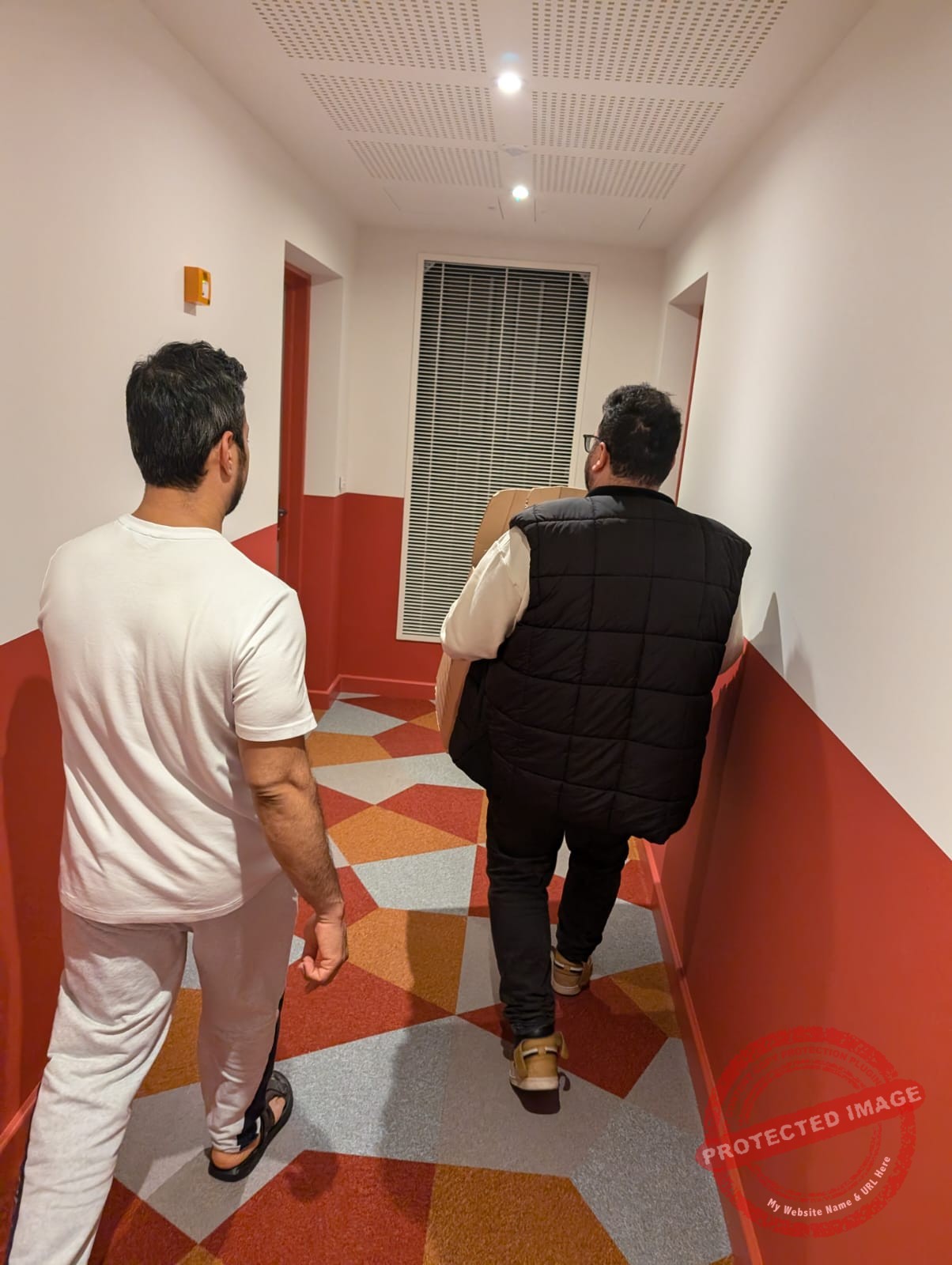
Temporary accommodation is not a home. It is a stopgap, often unsafe and unsuitable for babies and young children. Imagine a newborn’s first breath taken not in a nursery, but in a hostel room shared with strangers. Imagine a toddler learning to walk in a corridor instead of a family living room.
These environments don’t just inconvenience families — they actively harm children’s growth and parents’ ability to nurture them.
This is the reality for thousands of London’s youngest residents. And it is why Basch Helps CIC is making an urgent plea: we cannot allow London’s children to grow up believing this is normal.
Why Your Support Matters
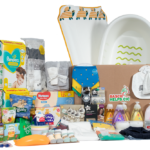
- Every gift helps us provide essentials – nappies, formula, warm clothing, and safe toys – to families living in temporary accommodation.
- Donations fund advocacy to push for systemic change, ensuring councils and government act faster to provide secure housing.
- Your generosity gives hope to parents who feel forgotten and children who deserve better than life in limbo.
London is one of the wealthiest cities in the world, yet tens of thousands of its children are homeless. There is no difference between a baby being born in a tent and a baby being born in temporary accommodation – both are born into insecurity, both deserve better.
Basch Helps CIC is asking for your help. Support today. Give a gift. Share this message. Together, we can ensure that every child in London has the chance to grow up in a safe, stable home.
Sources: Shelter England; House of Commons Committee Report; London Councils; American Academy of Pediatrics on toxic stress; Nemours Children’s Health on housing and child health; SchoolHouse Connection on infants and toddlers experiencing homelessness; NSPCC/Anna Freud Centre on babies in homeless families.





 At 8-16 weeks your baby should have taken all these vaccinations
It's important that vaccines are given on time for the best protection, but if you or your child missed a vaccine, contact your GP to catch up.
To get more information on how to book an appointment in London.
At 8-16 weeks your baby should have taken all these vaccinations
It's important that vaccines are given on time for the best protection, but if you or your child missed a vaccine, contact your GP to catch up.
To get more information on how to book an appointment in London.